

In our Staff Spotlight series, we’re pulling back the curtain on the talented artists, artisans, and craftspeople who make up our crew. Our team is a gumbo pot of creativity: painters, sculptors, woodworkers, fiber artists, costume designers, metalsmiths, actors, musicians, writers, jewelry designers, and the list goes on. If you can dream it up, chances are we’re already doing it in our free time, too. That’s what makes us so good at our day jobs as custom experiential fabricators.
Each month, we’ll shine a light on one of our team members—their inspirations, their after-hours projects, and the creative spark they bring to both their life and our shop floor. Because behind every masterpiece is a person with a story worth sharing.
_____________________________
This month, we’re spotlighting Benny Brown, a newer addition to the DFW team who has quickly proven himself as an excellent Assistant Project Manager.
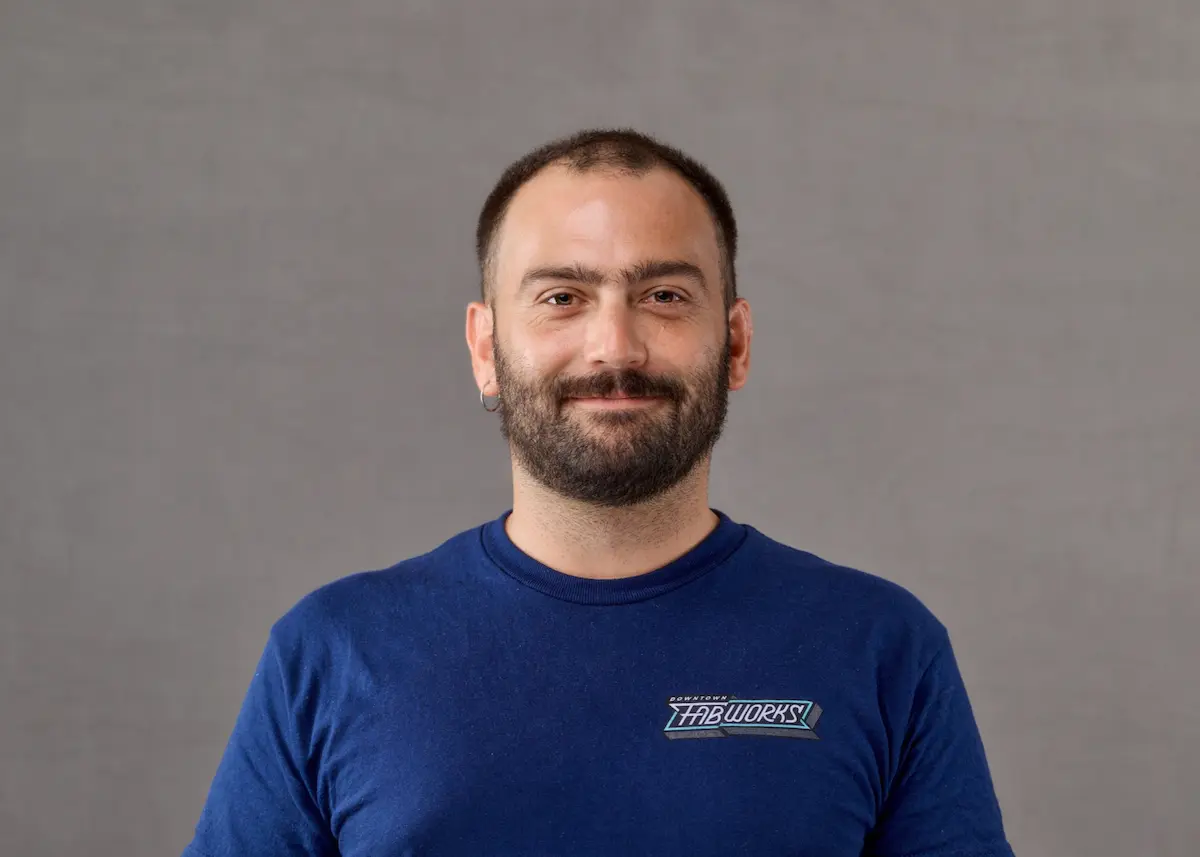
Benny Brown grew up in Los Angeles surrounded by a large extended musical family. His grandparents, great-grandparents, aunts, uncles, and cousins all made music in one form or another. Holidays and family gatherings always seemed to become joyful impromptu musical performances, giving Benny an early love for the feeling of music bringing people together.
Even though music was a family pastime, Benny was surprisingly not that musical as a kid. Instead, he painted, drew, and loved acting. By high school, he found his place backstage with the stage crew, where he could be part of the action without stepping into the spotlight. He was introverted, but enjoyed the work behind the scenes and, as he says, “liked making things happen.”
Learning the Craft of Event Production
After high school, Benny attended Massachusetts College of Art and studied event production in a concept-based department. He learned technical production skills, including sound, lighting, and event planning, while helping produce a year’s worth of campus events. One memorable project was a popular iron pour event with the school’s Iron Corps, which showed him how much care, coordination, and problem solving can be involved with creating a public experience. (Shown below: scenes from a recent iron pour celebrating the school's 150th Anniversary.)
As he learned more about the budget and permitting challenges that shaped what events could become, Benny decided to get involved. He joined the student budget committee, where he could help improve the experiences being created for the school community. Even then, he was drawn to the meeting point between big ideas and the practical work required to make them real.
An opera class gave Benny another chance to follow his imagination. For his final project, he created production design for Rusalka, often referred to as the Russian version of The Little Mermaid. He designed a costume for the main character's central aria that featured flowers programmed to burst open when the singer reached the song's high note. It remains one of his favorite designs. Benny says with a wry laugh that he always has performance ideas in his head. That costume captures something important about his creative approach: a love for the moment when careful planning elicits surprise and delight.
River Crafting
After school, Benny knew he did not want to become a producer, though he was still discovering what path fit him best. He explored a range of creative work, including scenic finishing on a 60-foot hydraulic model of the Los Angeles River that lives in an old hydraulics lab in LA. The model was created by a USC landscape architecture professor and the Army Corps of Engineers for educational use and to explore possible redesigns of the river channel. Benny’s job was to add plaster and waterproofing to create a lifelike surface.
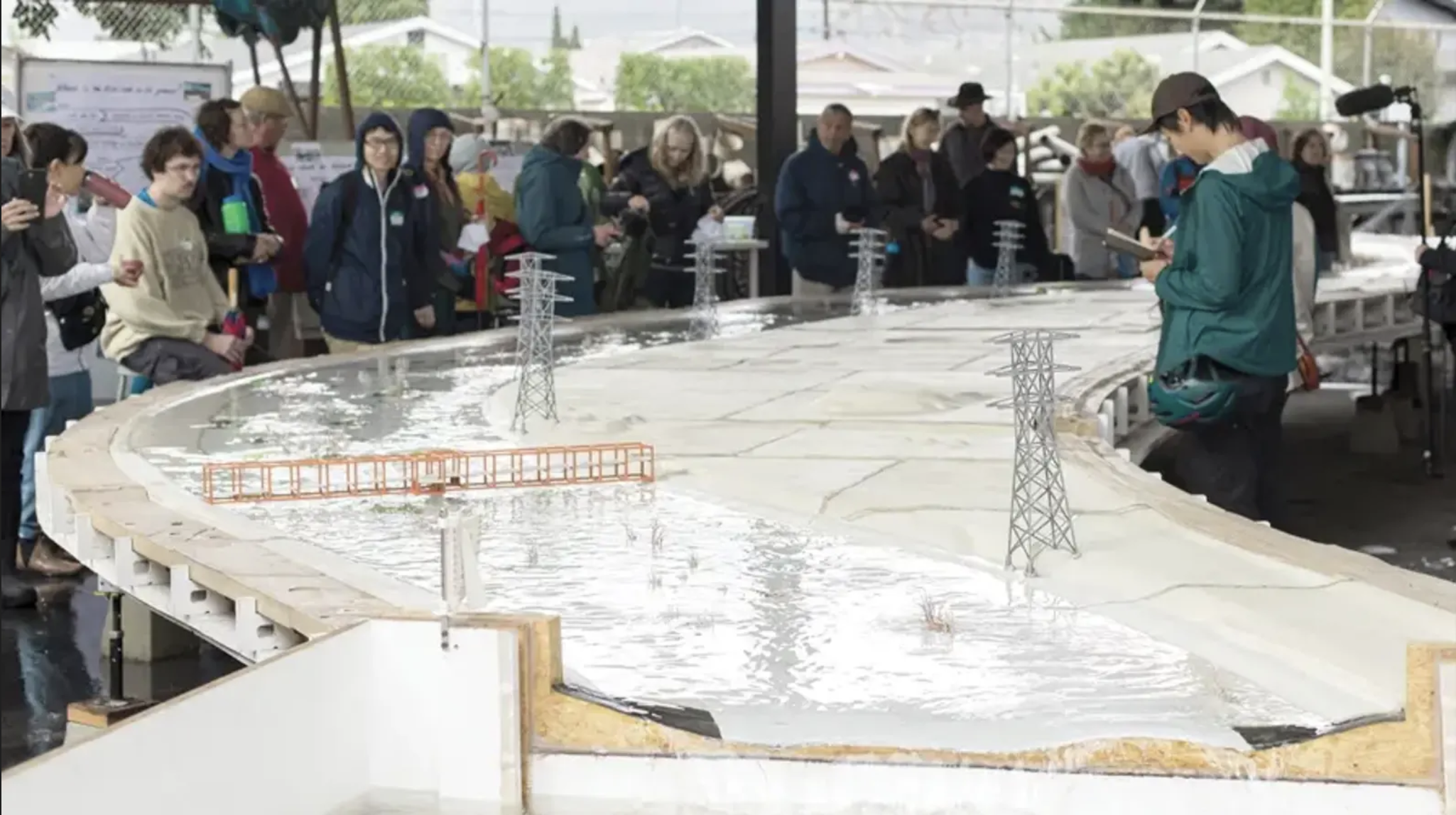
While Benny enjoyed his work finishing the river model, his favorite part of the job was getting to explore the lab. The building had been largely unused since the 1980s or 1990s, and its not-so-empty rooms held a kind of quiet fascination. Researchers had left behind a story told through abandoned tools, journals, stencils, archival materials, photographs, and handwritten notes in their offices, and Benny found he loved trying to piece together the puzzle to get a feel for the mundane moments that make up the history of a space.
Thriving in Uncertainty
Another life adventure saw Benny helping to open a music venue with a friend in Oakland, where he facilitated the event space and the many moving parts required to make it work. Coincidentally, this is where Benny met Sarah Rose Janko, one of DFW's sales managers, becoming fast friends.
Benny also worked with a fashion photographer on commercial shoots before joining an experiential firm focused on brand activations. That work eventually brought him to New Orleans. Before coming to DFW, Benny contributed to two site-specific public art installations for Prospect New Orleans, work that allowed him to help translate ambitious artistic visions into physical, public-facing experiences.
For Prospect.6: The Future Is Present, The Harbinger Is Home, he worked on artist Maia Ruth Lee’s The Conveyor, installed in an abandoned Ford plant in Arabi, Louisiana. The moving conveyor belt carried sculptures and objects in a continuous cycle inspired by the transient feeling of airport baggage claims. With bound luggage prototypes modeled after the belongings of Nepali migrant workers, the work reflected on migration, surveillance, and the often-unseen movement of people across the world.
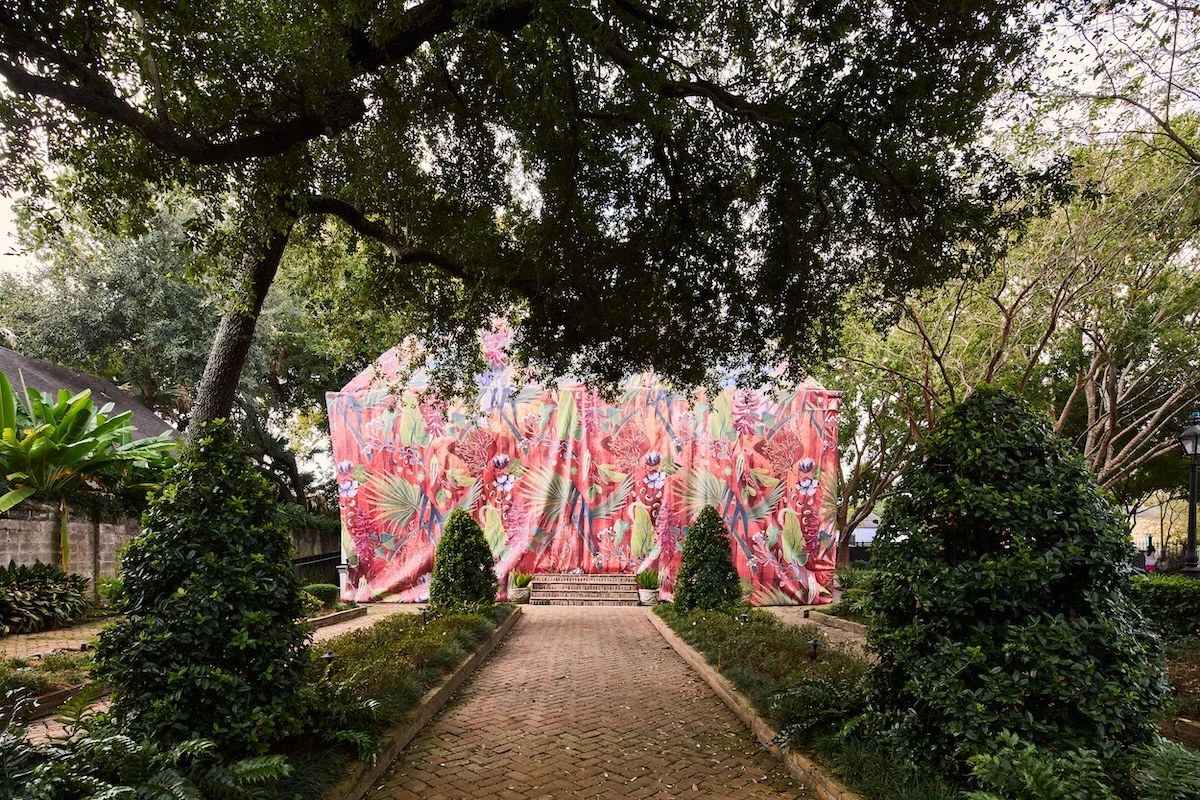
Benny also helped coordinate Fleurs de liberation: an ecology of resistance, artist Joiri Minaya’s fabric draping installation at the New Orleans African American Museum. Through fabric, pattern, and the transformation of space, the work invited audiences to encounter its setting in a new way.
Benny says he feels at home in “uncertain environments,” places where needs shift quickly and success depends on paying attention, adapting, and working alongside others. That comfort with the unexpected is part of why project management feels like such a natural fit.
Collecting Family Memories
Outside of work, Benny plays cello and is building a long-term archive of his family’s musical history. His great-grandfather, Jose, came to Los Angeles from Mexico as a teenager in the early 1900s after deciding he wanted to pursue music rather than become a silver miner, as his family hoped. In Los Angeles, Jose was introduced to the work of journalist, civil rights activist, preservationist, poet, and librarian Charles Lummis, who had been researching and recording traditional California songs dating to the Spanish and Mexican periods along the Pacific Coast. He learned those songs, started a band called the Jose Arias Troubadours, and later taught his children to play.
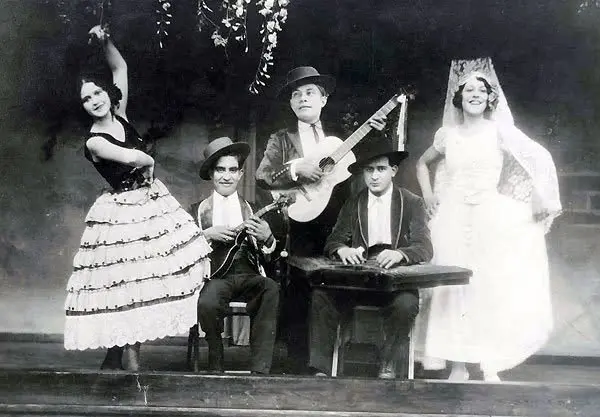
When Jose's children grew up and married more musicians, the family’s musical tradition continued to grow. Benny’s grandfather became a singer who was contracted in the 1950s to record Mexican folk songs for schoolchildren learning Spanish, while his grandmother was a composer. In the 1960s, the couple owned a restaurant together. His grandmother ran the kitchen, and his grandfather welcomed guests as the host. Twice each night, they paused service to perform together.
As a child, Benny simply loved the music at family gatherings, but over time he noticed that the parties began to lose voices as elders passed away. That realization inspired him to begin recording stories and interviewing his grandparents during the last five or six years of their lives. Luckily, an early Casio tape recorder brought to family parties by Benny’s great aunt preserved otherwise ephemeral moments.
Benny now holds those recordings in his collection, along with rare commercially produced albums, newspaper clippings, copies of his grandmother’s compositions, and interviews with family members. He is still deciding what the finished archive may become, whether that means pressing records, planning performances, or creating something entirely different. For now, the project is a meaningful act of care for a family history that deserves to be heard.
Inspiration and What's Up Next
One of Benny’s inspirations is Bernie Krause, the American musician and soundscape ecologist who founded Wild Sanctuary in 1968. Krause’s work explores how recordings of natural sound can reveal the health of an ecosystem. Benny is interested in that idea not only in nature, but also in the venues and gathering places where people spend time together.
Things have been so busy in his professional life that he hasn't had time to do much hands-on artistic exploration lately, and he's ready to get back to it. Luckily, with Halloween and Mardi Gras approaching, costuming is also on the horizon. To make things more interesting, he also has a newfound interest in learning terrazzo and working with concrete. Whatever comes next, we're sure his curiosity and appreciation for detail will serve him well.



Ryan McDonald

Jordan Schwartz

Paul Utterback

Mike Cassesi

Scott Beelman

Irina Gusin

Kristen Kain
who we
Work with