

In our Staff Spotlight series, we’re pulling back the curtain on the talented artists, artisans, and craftspeople who make up our crew. Our team is a gumbo pot of creativity: painters, sculptors, woodworkers, fiber artists, costume designers, metalsmiths, actors, musicians, writers, jewelry designers, and the list goes on. If you can dream it up, chances are we’re already doing it in our free time, too. That’s what makes us so good at our day jobs as custom experiential fabricators.
Each month, we’ll shine a light on one of our team members—their inspirations, their after-hours projects, and the creative spark they bring to both their life and our shop floor. Because behind every masterpiece is a person with a story worth sharing.
_____________________________
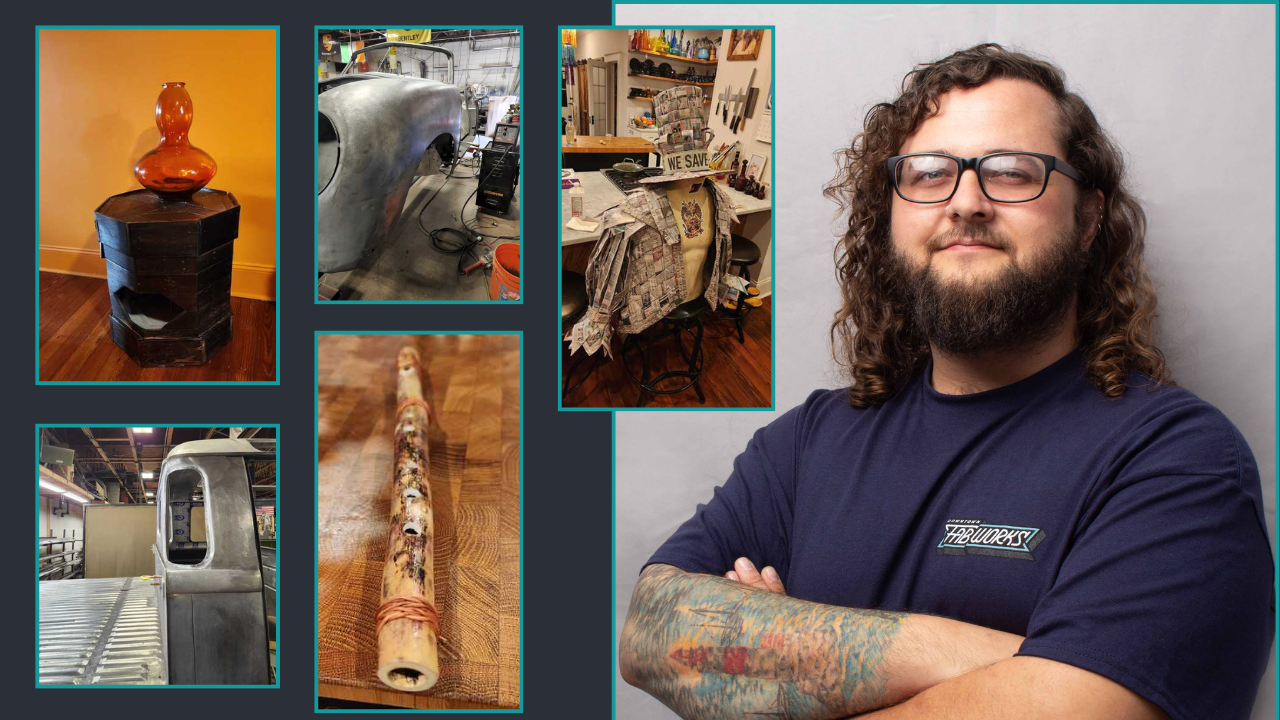
This month, we’re spotlighting Jeremiah Mulloy, Technical Designer, whose design chops have been honed through architecture studies, training in automotive metalwork, and a longstanding creative practice of repurposing found materials into imaginative new forms.
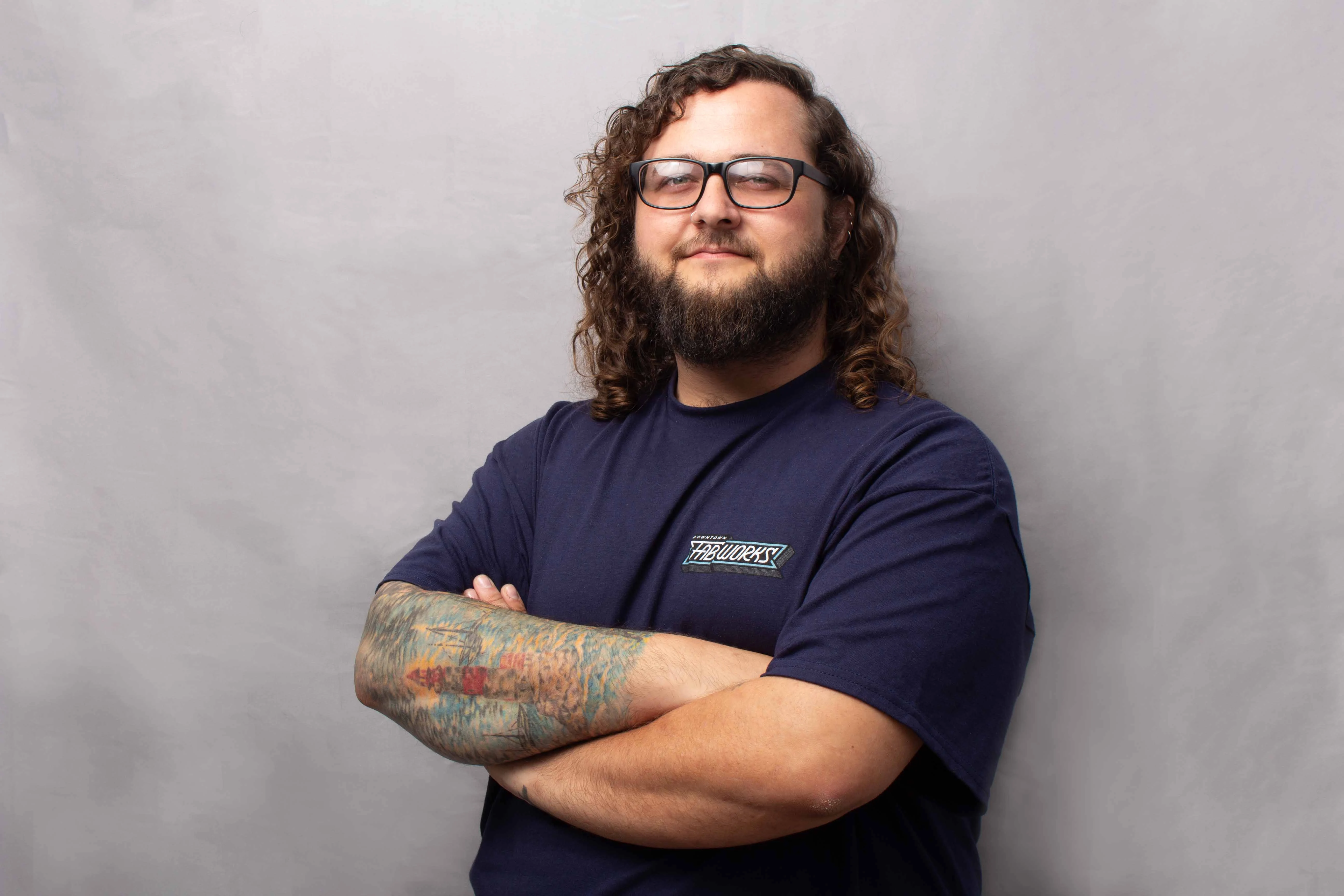
Jeremiah Mulloy has been a tinkerer for as long as he can remember. His earliest creations in Littleton, Colorado were, in his words, “robots” that didn’t look much like robots at all. Nailed together out of random pieces of wood, the creations were fueled more by imagination than precision. Around the same time, he was also really into electronics—mostly taking things apart rather than putting them together. Even then, the pattern was clear: he was driven not just to make things, but to understand how they fit together, a mindset that now shapes his approach to problem-solving as a technical designer.
By high school, Jeremiah found himself torn between two paths: a love of history and a natural strength in math. A career aptitude test nudged him toward engineering, and while he didn’t ultimately land there, it set him on a trajectory toward design. He earned his bachelor’s degree in architecture from South Dakota State University, with a minor in history, and later pursued graduate-level coursework at UCLA. Along the way, however, he realized that traditional architecture wasn’t quite the right fit. What did resonate was something more hands-on: exhibit design and fabrication.
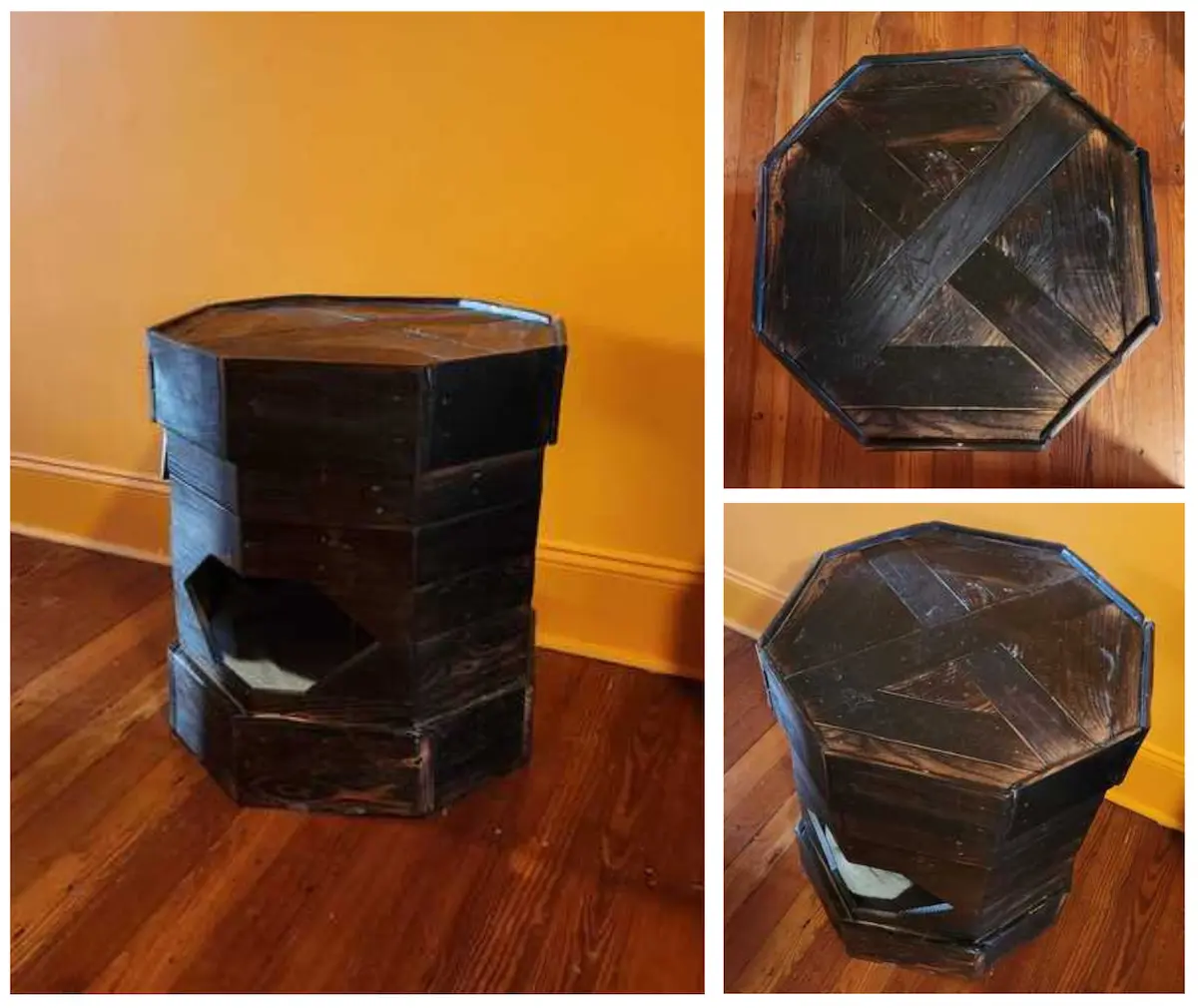
That realization eventually led him back to Colorado, where he worked nights at the Denver Art Museum. While he initially hoped to move into gallery concept design, that path didn’t open up. So, true to form, Jeremiah pivoted—this time into metal fabrication. Already a lifelong car enthusiast (he got his first car, a 1974 Chevy Nova, at 15 and rebuilt its engine himself in high school), he decided to lean into that interest and learn the craft of automotive restoration.
Through a serendipitous connection, Jeremiah landed a job at Denver-based car restoration workshop called The Metal Surgeon. Starting as a shop hand, he quickly learned sheet metal welding and finishing on the job. It was a small, highly specialized shop producing competition-level show cars, and the standards were exacting. The owner, who had himself been building cars since he was a teenager and had experience with high-end concept vehicles, emphasized one core principle: everything should look like it just came off the factory floor. Jeremiah absorbed that mindset, developing a deep appreciation for quality control and precision.
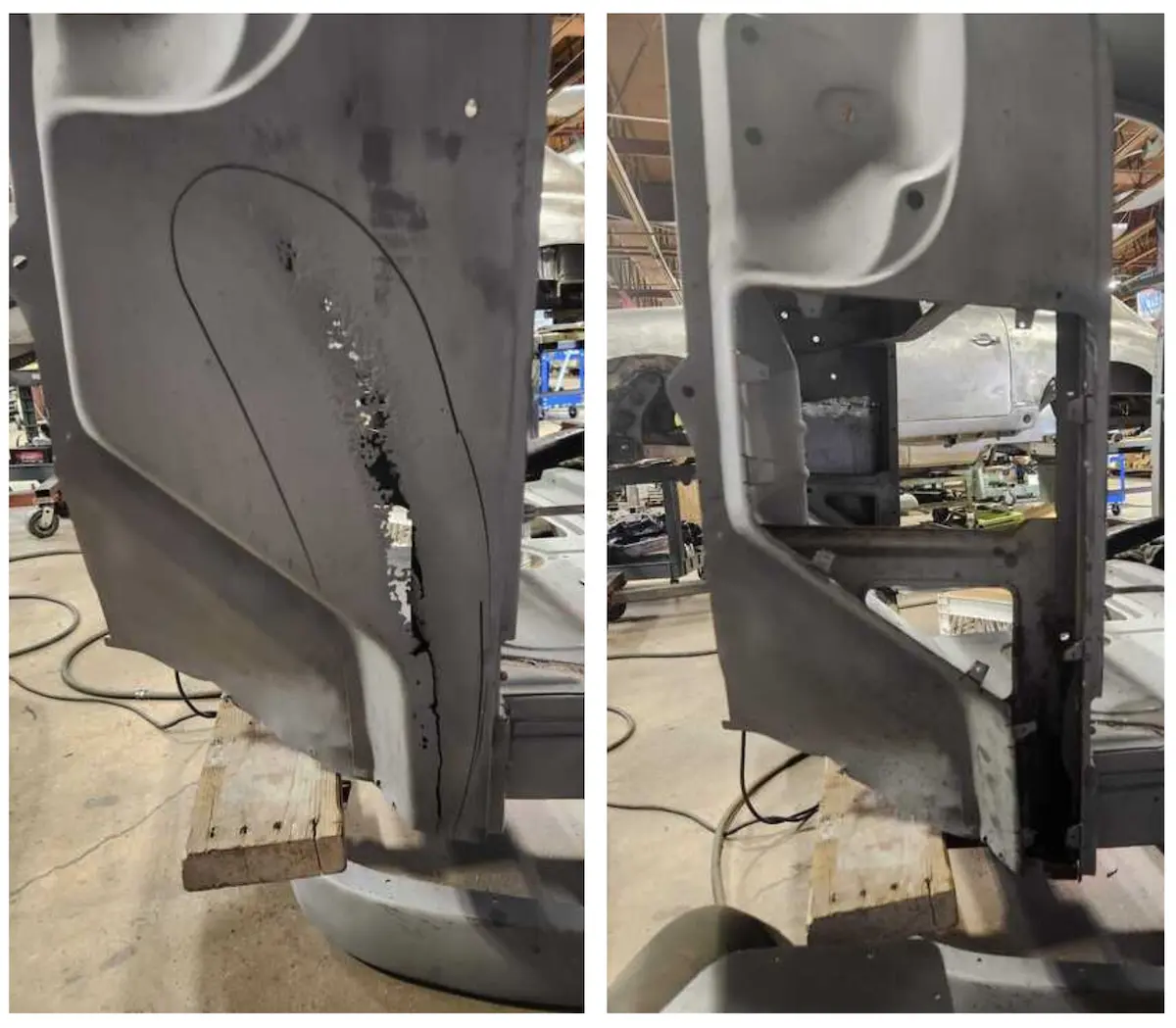
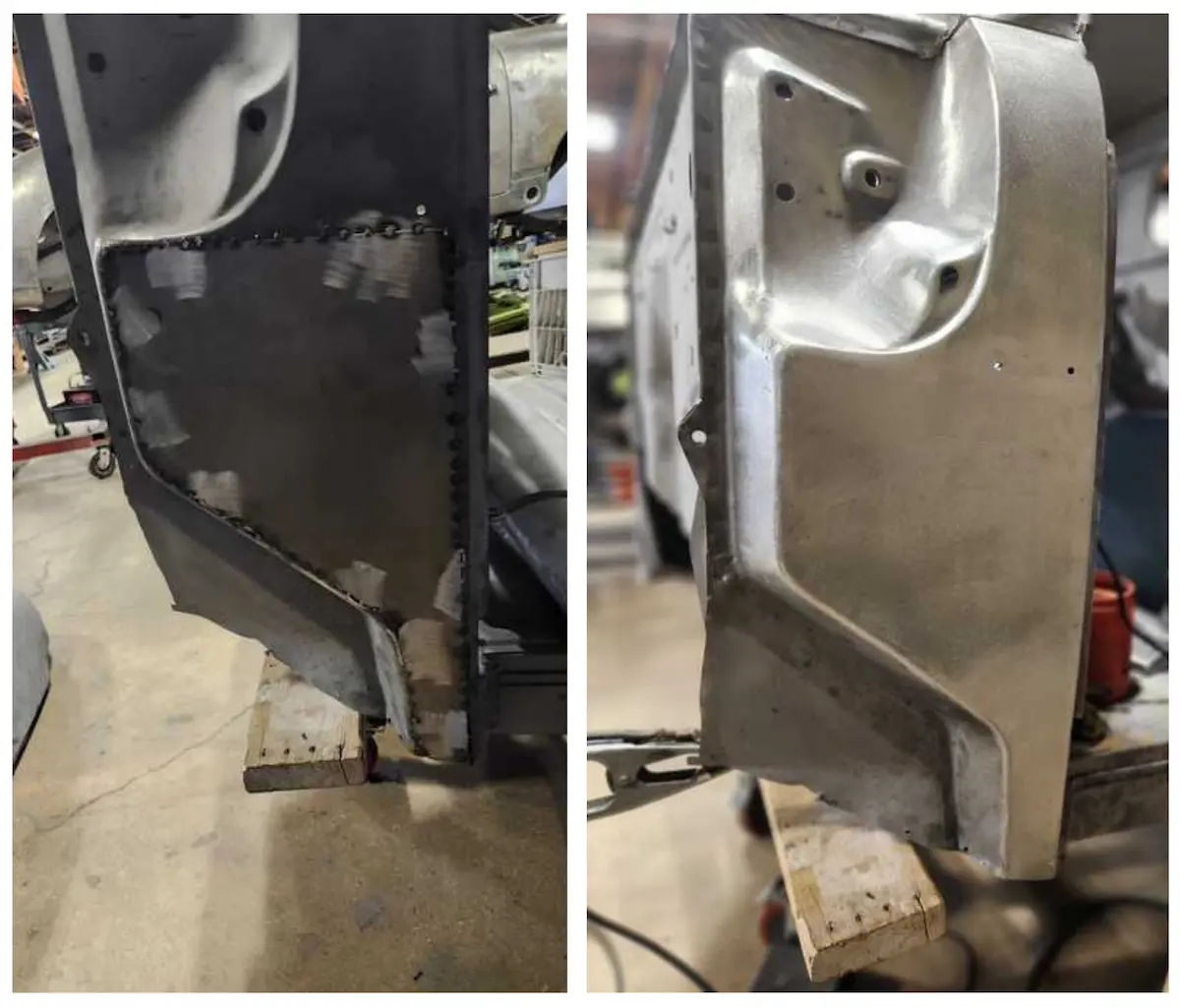
Some of his proudest work comes from that period, including detailed restoration work on a 1950s Porsche 356 and a heavily customized Volkswagen pickup. That VW project alone involved retrofitting window panels from a 1953 truck, reshaping them to fit the cab, installing a retractable sunroof, converting the side door into a suicide door, and reworking the tailgate. It was complex, exacting, and deeply satisfying, all hallmarks of the kind of work Jeremiah gravitates toward.
After his time at The Metal Surgeon, Jeremiah made another big move, this time to New Orleans. Following a month-long road trip and a quick jump over to Ireland, he arrived just after Thanksgiving 2024, looking for a reset and a new direction. He found it at Downtown FabWorks, joining the team as a technical designer in January 2025.
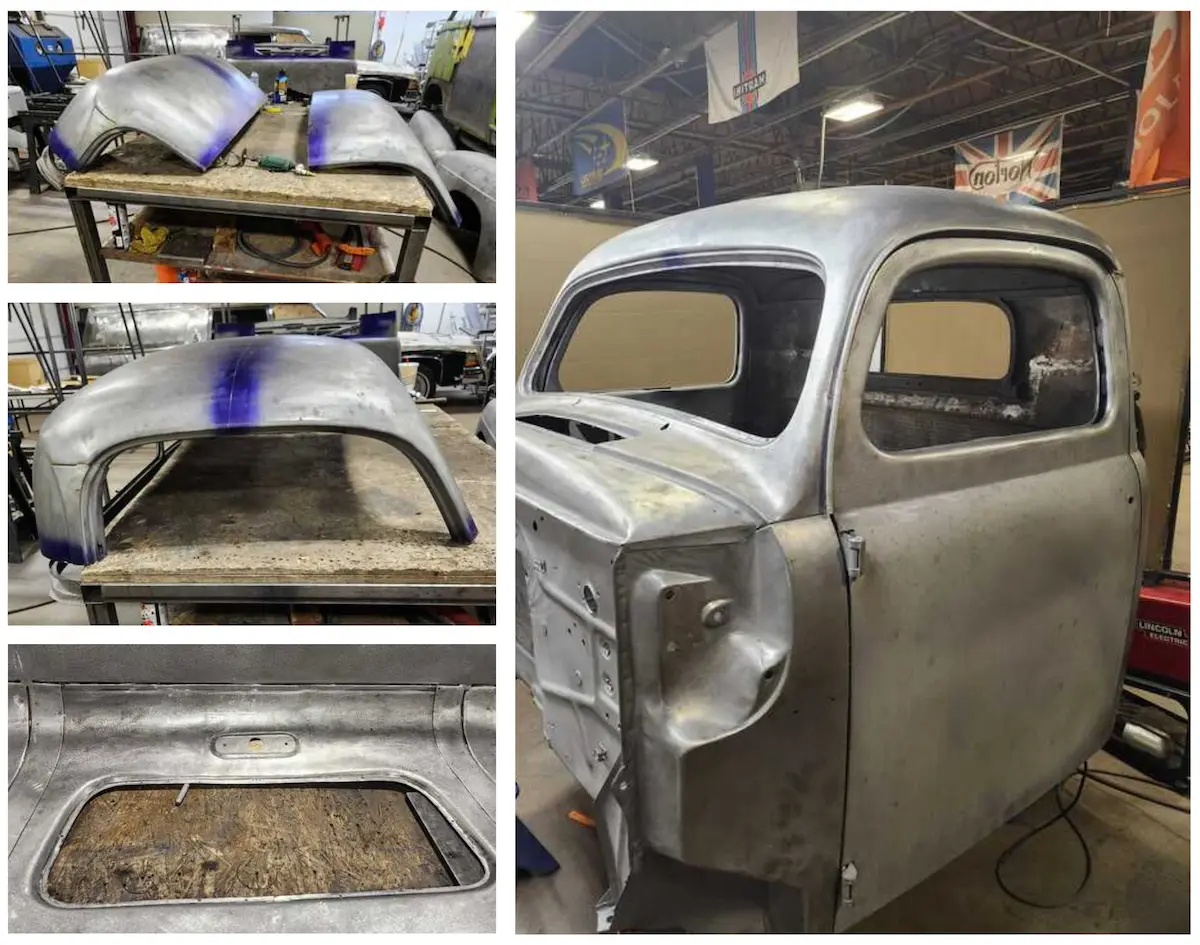
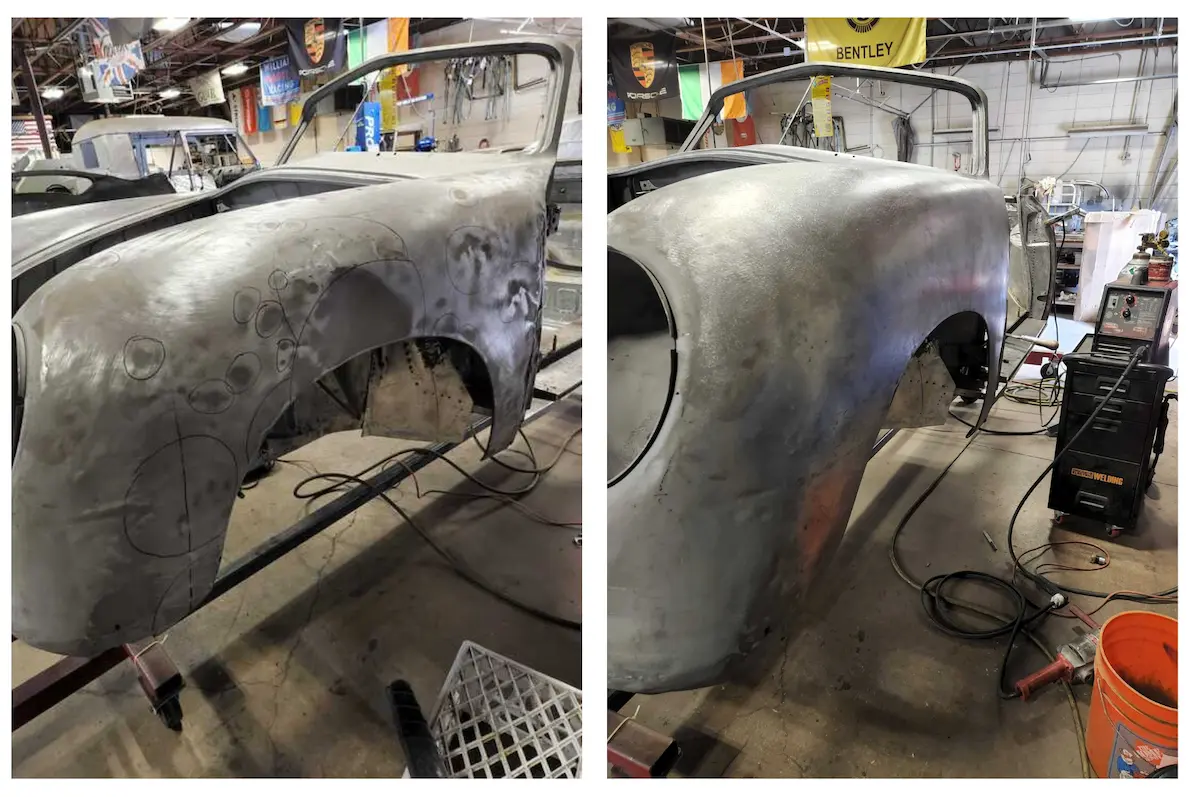
Here, Jeremiah has found a sweet spot. He’s able to use the critical thinking and spatial design skills he developed in architecture school, but in a way that feels more grounded and collaborative. His background in metal fabrication gives him a valuable perspective; he’s not just designing in theory, but with a strong understanding of how things will actually be built on the shop floor. He thinks in terms of connections, assembly, and workflow, making him an effective bridge between design and production.
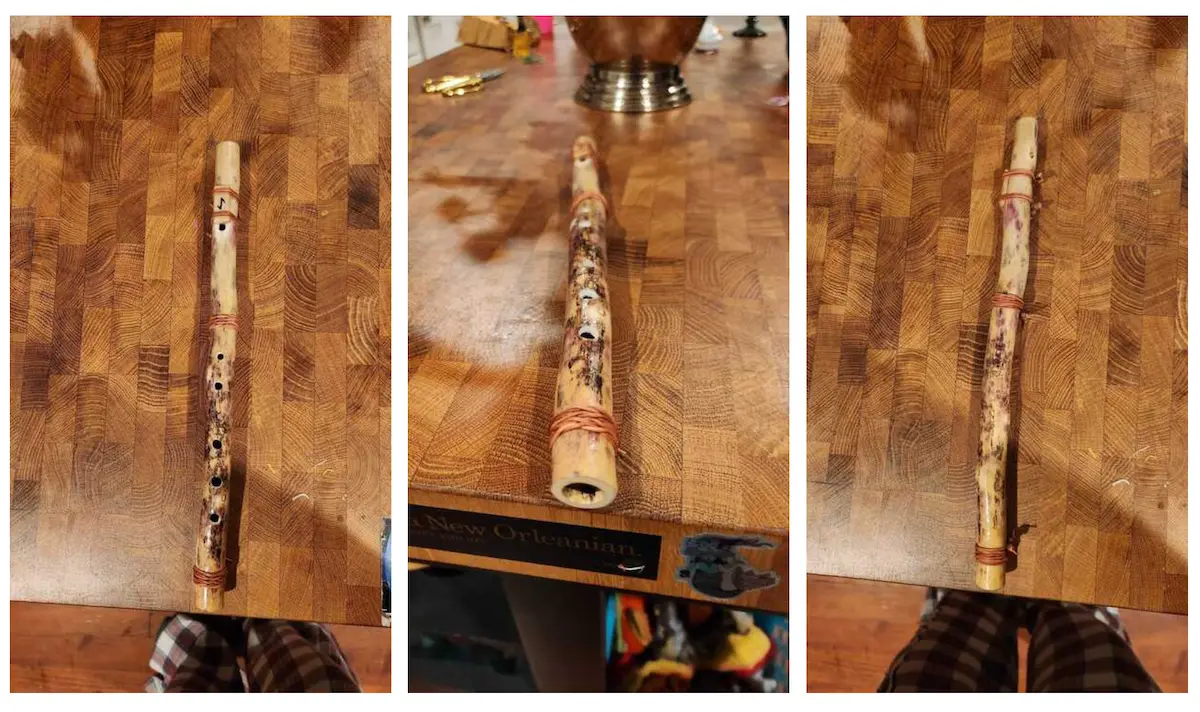
Outside of work, Jeremiah’s creative life is, by his own admission, eclectic. He tends to follow whatever sparks his interest in the moment. While working at the Denver Art Museum, he got into repurposing pallets into tables, shelves, and storage pieces. At another point, he fell down a rabbit hole of flute-making, starting with PVC, moving to bamboo, and eventually crafting one from elderberry that remains his favorite.
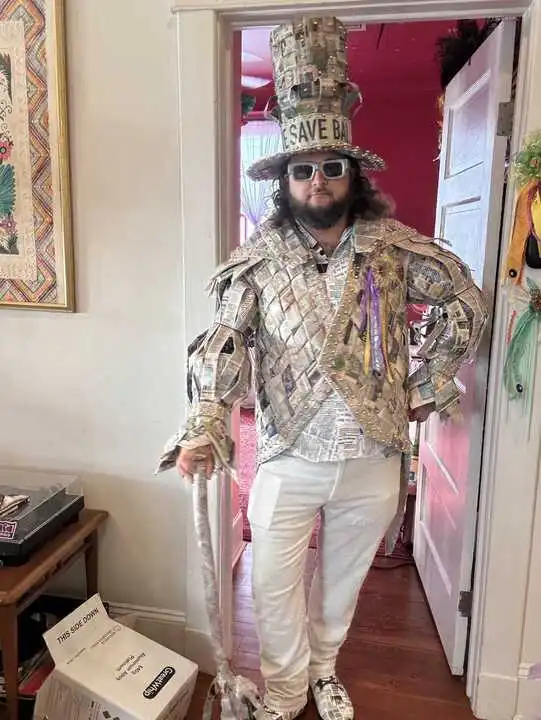
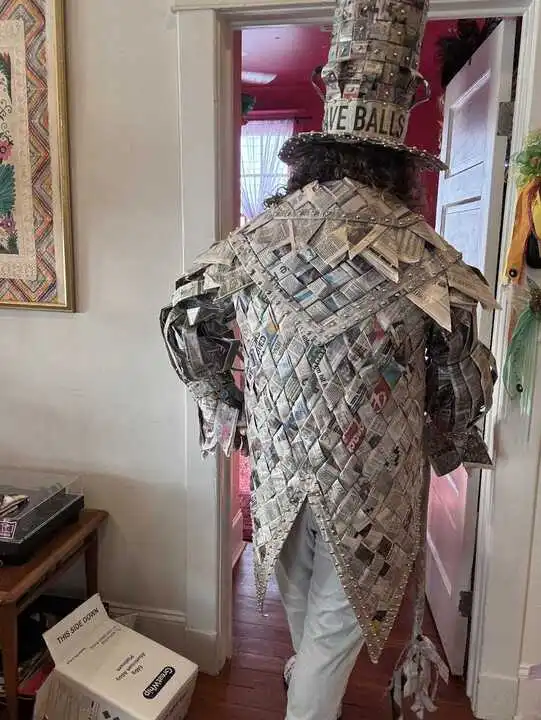
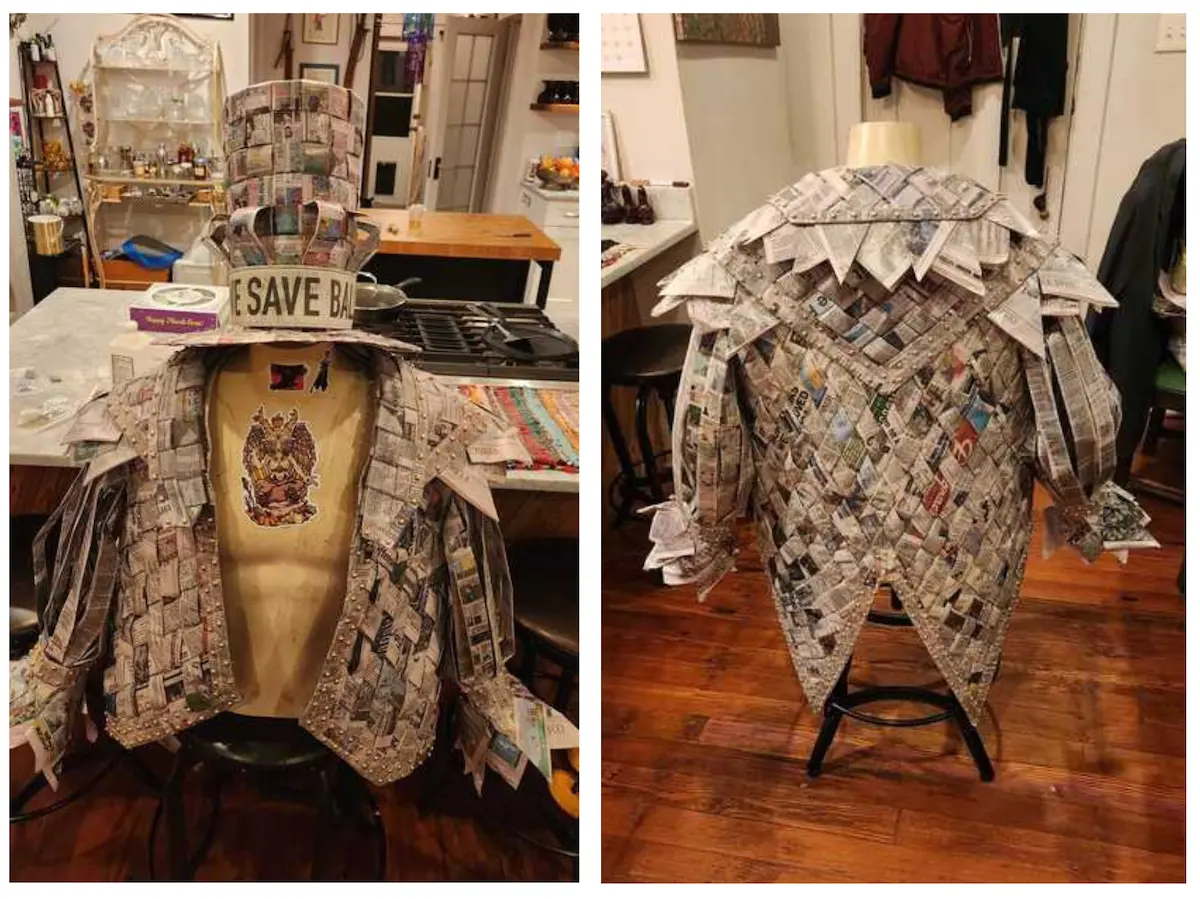
More recently, he brought that experimental spirit to Mardi Gras. For 2025, he created a striking costume for his sister’s “trash”-themed krewe, constructing a jacket and hat from woven strips of newspaper. Reinforced with a packing tape liner and sealed with a water-repellent coating, the piece took several weeks to complete. It’s durable enough that he still wears it to events.
Despite all these varied projects, a few stand out as particularly meaningful. Rebuilding the engine of his Nova (largely teaching himself in the process) remains one of his proudest accomplishments. That same Nova, along with an ’88 Bronco and many of his tools, is still back in Colorado, waiting. He’s planning a trip to Denver this summer to bring them to New Orleans and, finally, restart some of the projects he had to pause during his move—especially finishing the Nova, which currently sits dismantled.
Jeremiah doesn’t point to any one artist or maker as a primary influence. Instead, he draws inspiration from the world around him and the people he works with. His creative pursuits outside of work may look very different from his role as a technical designer, but the mindset is the same: how things come together, how materials behave, and how ideas turn into something tangible.
Looking ahead, Jeremiah already has some ambitious plans in motion. He’s exploring the idea of building a wooden art car for a future parade, and he recently launched a The Dark Crystal–inspired subkrewe for the Intergalactic Krewe of Chewbacchus for Mardi Gras 2027. He’s even designed a parade contraption featuring a larger-than-life replica of the crystal, and he’s currently looking for collaborators to help bring the full vision to life.
Interested in joining the subkrewe or contributing to the contraption build? Reach out to Jeremiah at jeremiah@downtownfabworks.com.
____________________________________
"Good People, Good Work, Excellent Experiences" isn't just our mantra. It's our promise to you. If you're ready to work with an experiential fabrication team who cares about your project as deeply as you do, get in touch today!




Ryan McDonald

Jordan Schwartz

Paul Utterback

Mike Cassesi

Scott Beelman

Irina Gusin

Kristen Kain
who we
Work with