


Custom fabrication projects rarely fail because of bad ideas. More often, they stall when the team behind them isn’t quite the right fit, leading to missed details, friction in communication, and last-minute surprises no one asked for.
At Downtown FabWorks, every project is led by an organized team. Appointing that team is an important part of our process that sets every job up for success. From made-to-pop brand activations to permanent museum exhibits (and everything in between), no project moves forward in our firm without a core group guiding it from day one through final delivery.
This setup is the heartbeat of how we make sure our work turns into excellent experiences for our clients and those who step into the spaces we build.
A team of experts
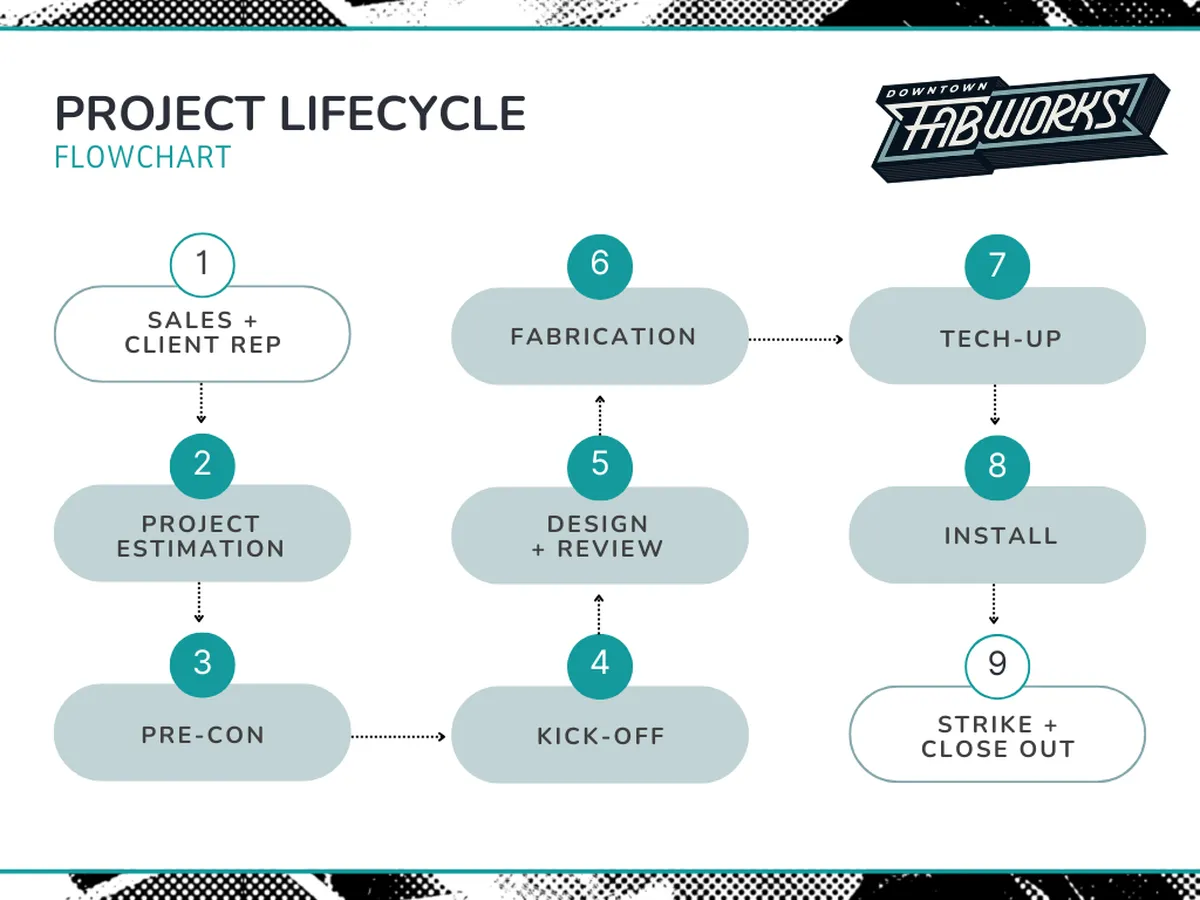
The moment we shake hands with a client and their vision is officially placed in our care, we start assembling the team that will see it through to reality. The Sales Manager kicks things off by creating a dedicated Slack channel and uploading all relevant documents so nothing slips through the cracks.
From there, our leadership assigns three key roles: a Project Manager from our Business Admin Department, a Design Lead from our Design Department, and a Project Lead from Operations. These individuals have their own areas of expertise, so they look at a build through different lenses–and that’s on purpose. When all three people are involved from the beginning, we’re able to approach the project from every angle with clear communication and shared responsibility.
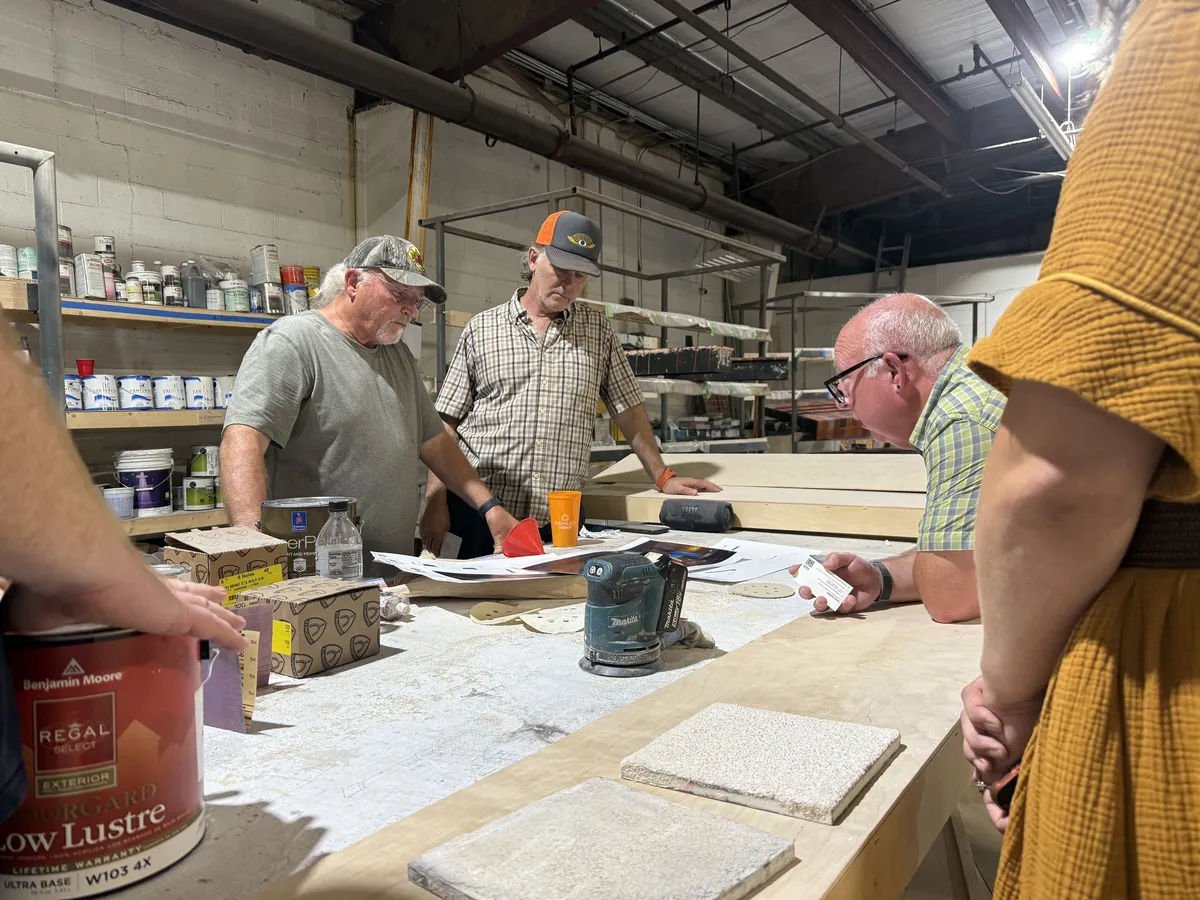
Before anything is built, the team comes together for an alignment meeting. This meeting lays the groundwork for every detail of an experiential project: reviewing the scope and cost estimate, clarifying who’s doing what, surfacing early questions, and mapping out how everyone will stay connected along the way. From this moment forward, all major aspects of the build (budget, technical design, and production/installation) have a dedicated expert at the table.

Shared ownership, smoother outcomes
Each team member holds their own vital piece of the puzzle. Here’s how the pieces fit:
- The Project Manager handles the big picture:
- Scheduling
- Budgeting
- Client communication
- Documentation
- The Design Lead guides the creative intent:
- Developing precision drawings + CAD files for CN
- Helping translate vision into buildable realities
- The Project Lead steers the hands-on pieces:
- Shop execution
- Capacity and timing of fabrication departments
- Coordinating the build and install process with care
This structure works so well because the roles are clear, and there is trust between them. Everyone understands where their lane is, but also feels empowered to cross-collaborate, ask questions, and address challenges together. That spirit of shared ownership and confidence in each other are non-negotiables as far as we’re concerned.
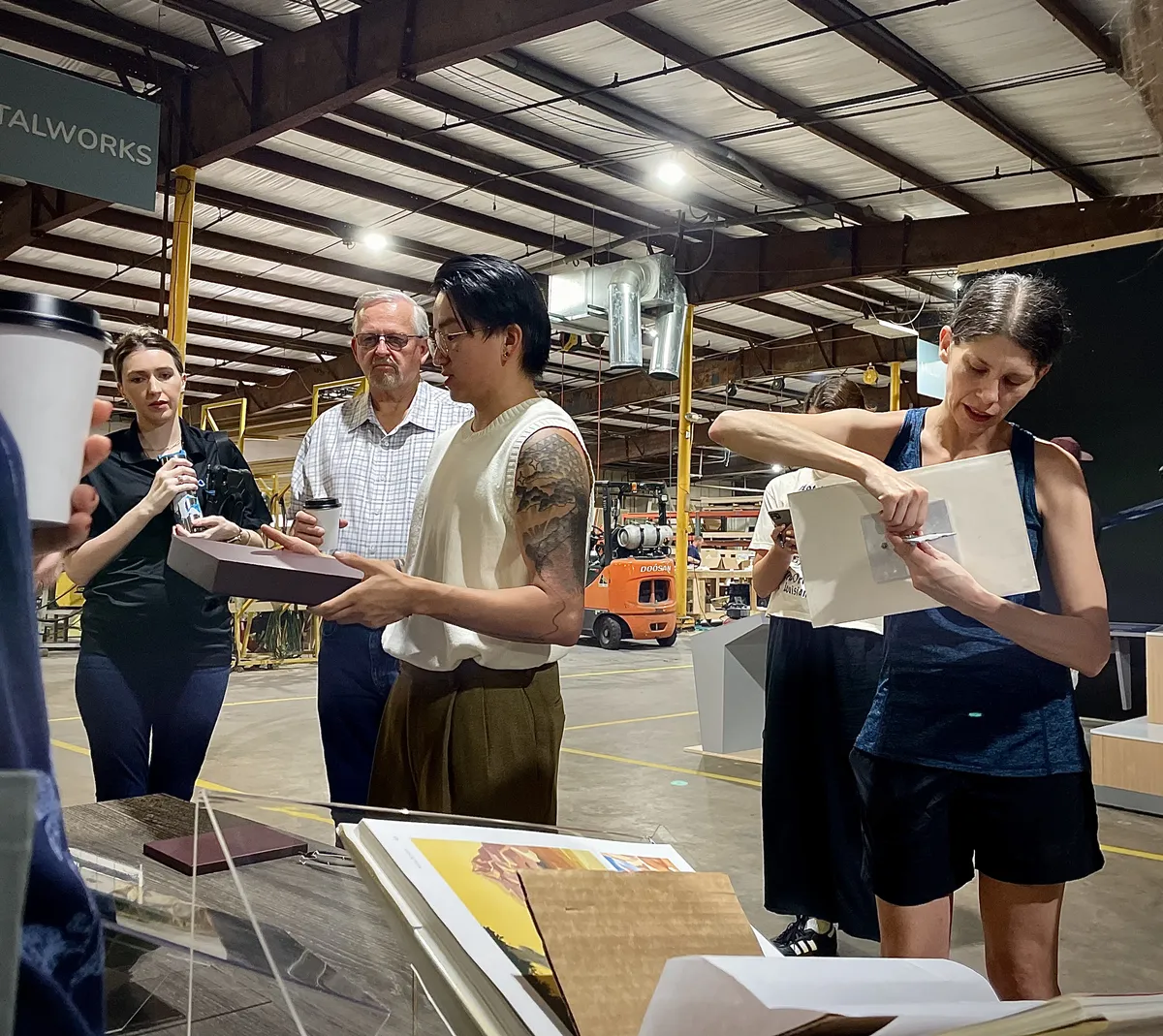
As momentum builds, the team stays connected with regular weekly or bi-weekly check-ins, depending on project size. These meetings give us space to celebrate progress and catch potential issues early, whether it's a shift in scope or a subtle scheduling pinch. It’s our way of staying proactive instead of reactive, because we’ve learned that the earlier we align, the smoother everything runs.
Strong teams = strong builds
There’s a quiet kind of strength in having structure like this. A mindful, intentional approach is a thread that ends up connecting everything we do.
It creates an environment where people feel informed, supported, and accountable. It eliminates finger-pointing and champions teamwork. Most importantly, it gives our clients confidence, knowing their project is always in good hands—hands that are collaborating behind the scenes and problem-solving in real time.
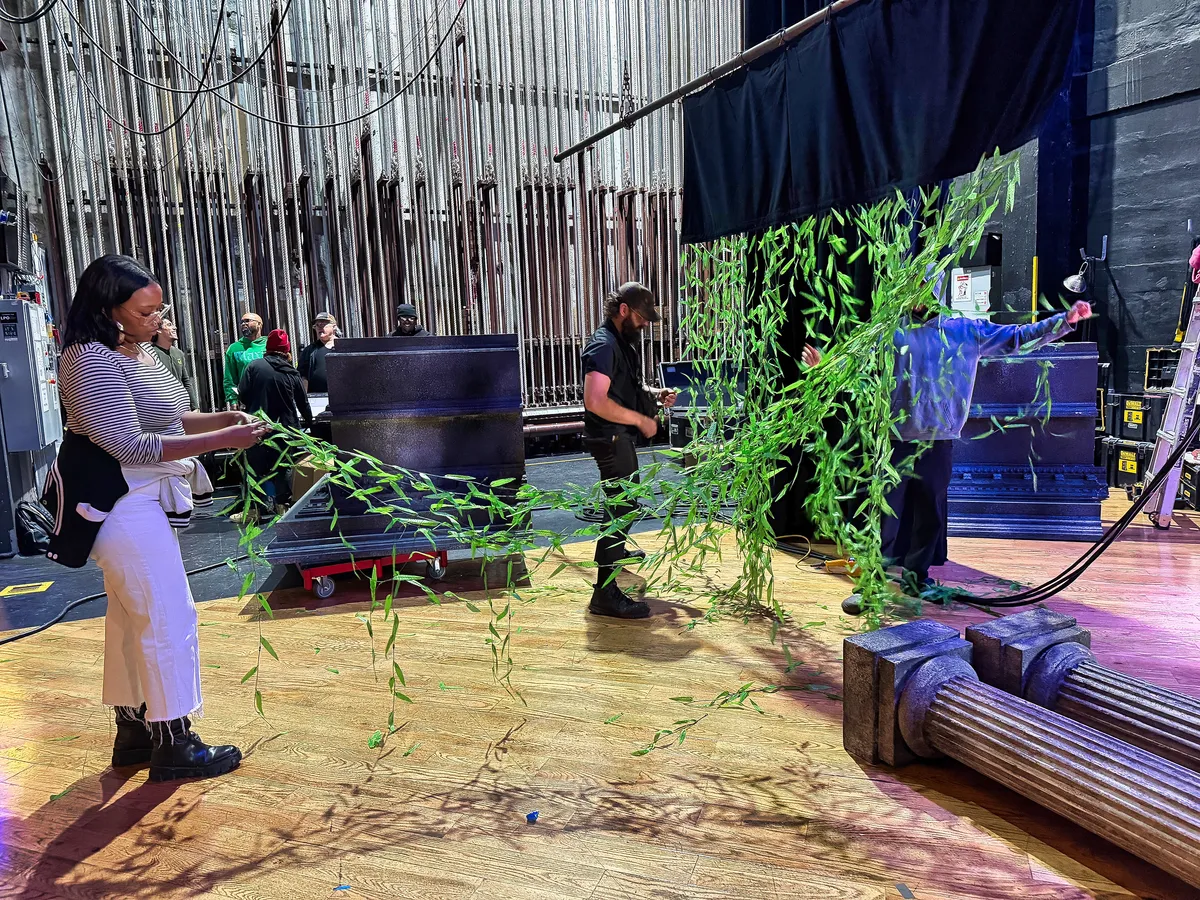
The craft of experiential fabrication extends far beyond materials and tools. It lives in the way we plan, communicate, and connect with each other, and with our clients. When our team is strong, that means your project is too.
___________________________________
What’s the next experiential space you’re dreaming up? We have a dedicated crew of experts ready to give your build the care and attention it needs. Let’s kick it off together!



Ryan McDonald

Jordan Schwartz

Paul Utterback

Mike Cassesi

Scott Beelman

Irina Gusin

Kristen Kain
who we
Work with