

My earliest memory of making music is sitting at a used piano my mom brought home when I was eight or nine years old. I took lessons for a few years. I learned the notes, practiced the scales, and gave it an honest try. But eventually, it became clear that piano was not my passion or my calling.
Then, when I was 12, I started singing, and something clicked. Singing asked me to be patient in a different way. It gave me a place to focus, to improve, and to connect with people. I found that I was good at it, but more importantly, I loved the work of getting better.
My teachers encouraged me to push myself. I began competing in county and state vocal competitions, which led to the Suffolk County choir when I was 16. During my junior and senior years of high school, I was honored to make the New York All-State Choir as a baritone.
To be one of 16 baritones selected from across the state was a huge accomplishment for me. I was surrounded by talented young performers who had put in the same long hours, dealt with the same nerves, and cared deeply about getting every note right. Standing in that group, listening to voices rise around me, I learned what it felt like to be part of something larger than myself, and that lesson has stayed with me all these years.

Finding My Place Backstage
After high school, I attended SUNY Oneonta, where I majored in Music Industry with a concentration in vocal performance. I performed in operas and musicals and toured New York singing Mozart and Verdi.
Those experiences mattered. They taught me discipline, preparation, and the responsibility of showing up for the people beside you. But I also realized I did not quite fit in as a performer. And, if I am being honest, I hated acting.
During my senior year, while also being the lead in that year’s opera, I started helping out backstage building the sets, working in the booth as a board-op on a different show, and in general got very interested in what it took to put the actual production together. This was a turning point for me.
Learning the Work
After college, I became a scene shop apprentice at Capital Repertory Theatre in Albany, NY. I wanted to dive in headfirst and learn what it really took. I learned how to build sets, how to weld, and, most importantly, a lot about how to sweep a floor.
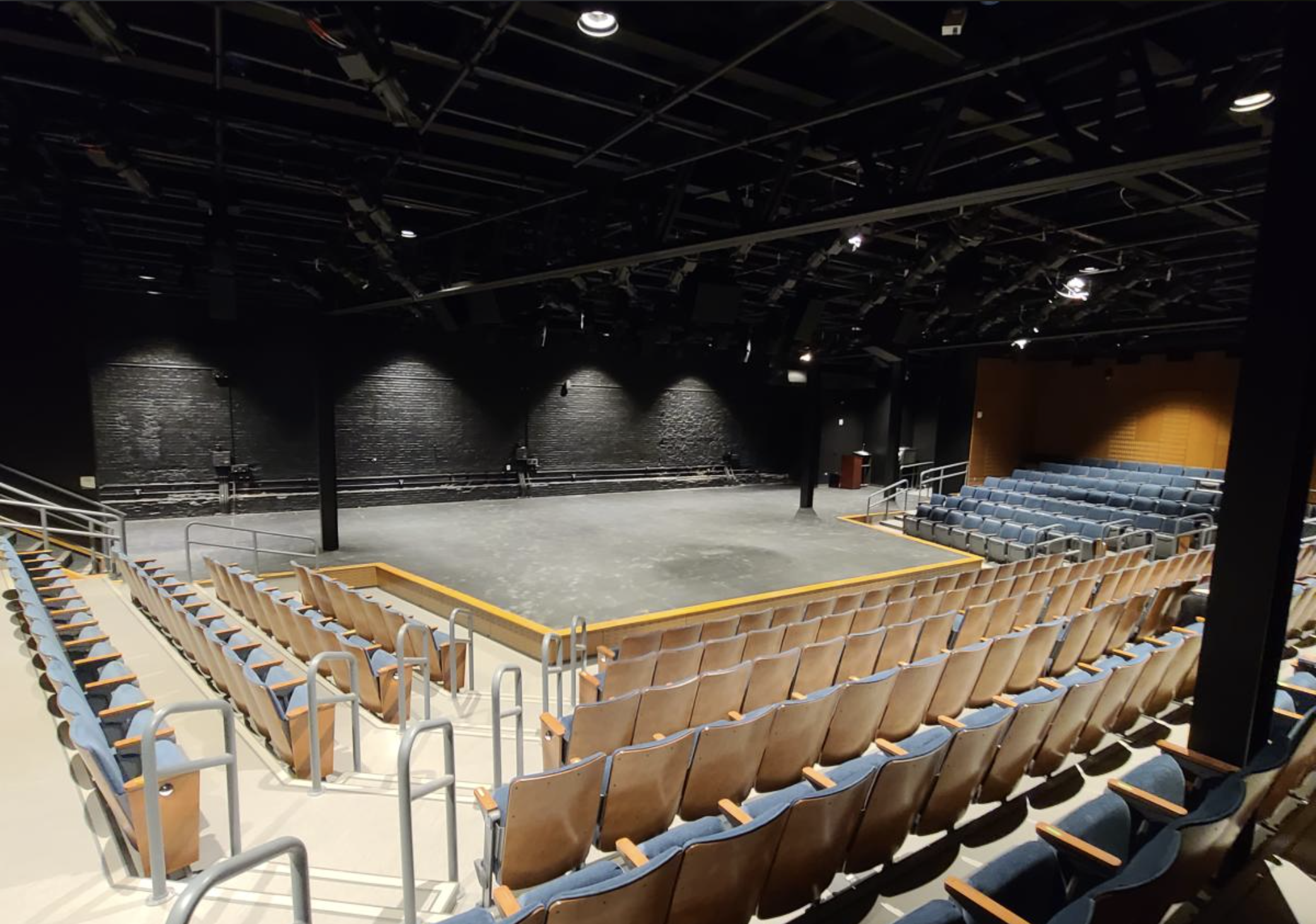
I would also go to the theater in the evenings, where I learned how to hang and focus a light, how to rig speakers and scenery, and in general how to be part of a production team. I was also the spotlight operator for a number of shows, from musicals to comedies to tragedies. My apprenticeship there was a lot of work but I learned so much and loved every minute of it.
After my apprenticeship, I worked with a range of companies and festivals as a set builder, including Lake George Opera Company and the Utah Shakespeare Festival. Those experiences were very intense, as you need to produce three shows at a time in a very short amount of time. Most people don’t realize just how much work goes into putting together performances like that. But, when you are in your 20’s, and you have a desire to work hard, create, and learn, you don’t even realize that it’s work in the first place.
Hearing New Orleans for the First Time
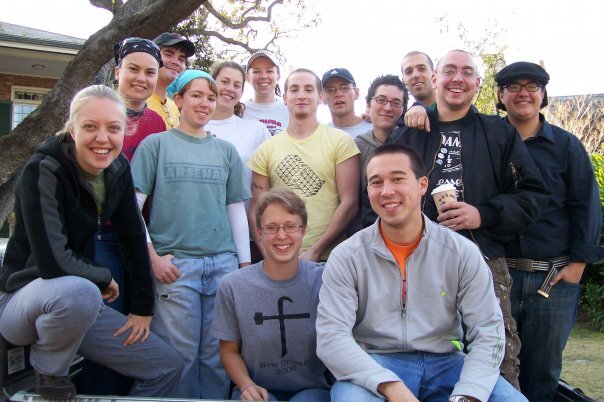
On August 29, 2005, I was working at the Utah Shakespeare Festival when Hurricane Katrina hit New Orleans. I came to the city to volunteer in its aftermath. I knew New Orleans had a deep history of art, creativity, and music, but I had not experienced it firsthand.
Once I arrived, I came to understand that music here is not simply entertainment—it’s the foundation of the community, how people communicate, connect, and remember. Friends took me to Le Bon Temps to see the Soul Rebels and to Maple Leaf Bar to see Rebirth Brass Band. Those nights opened my eyes to the living, breathing culture of this city.
Just as meaningful were the people I met while volunteering in neighborhoods like Gentilly and New Orleans East. Many of the residents we were assisting were musicians. They were trying to rebuild their lives while the city itself was trying to rebuild. Their stories made something very clear to me: preserving culture is not only about celebrating it. It is about making sure the people who create it can remain here and find meaningful work.
As I reentered professional life, I worked for several production companies in New Orleans. In 2010, the firm I was with was hired to complete the buildout, sets, and production work for the Stage Door Canteen at The National WWII Museum in New Orleans. Creating a permanent stage show inside a museum felt like an important bridge between the worlds I had come to love: performance, storytelling, history, and fabrication.

Later, in 2017 and 2018, I served as Solomon Group’s superintendent for the Mississippi Arts + Entertainment Experience (AKA The MAX) in Meridien, Mississippi. It is a remarkable multi-floor museum dedicated to the state’s music, art, writing, culture, and the people who shaped it. During the final month of installation, I oversaw a crew of about 50 people across many trades as we brought those stories to life.
It was a powerful reminder that immersive spaces do more than display history. When they are made with care, they help people feel it.

Building a Place for Artists and Makers
I started Downtown FabWorks in 2019 because I wanted to build an organization that supports the artists and makers who are the cultural fabric of New Orleans, and allow them to do what they love. This place started out small (we're talking "in my backyard" small), but we’re now up to 45 full-time employees, 42 of whom describe themselves as artists in their everyday life.
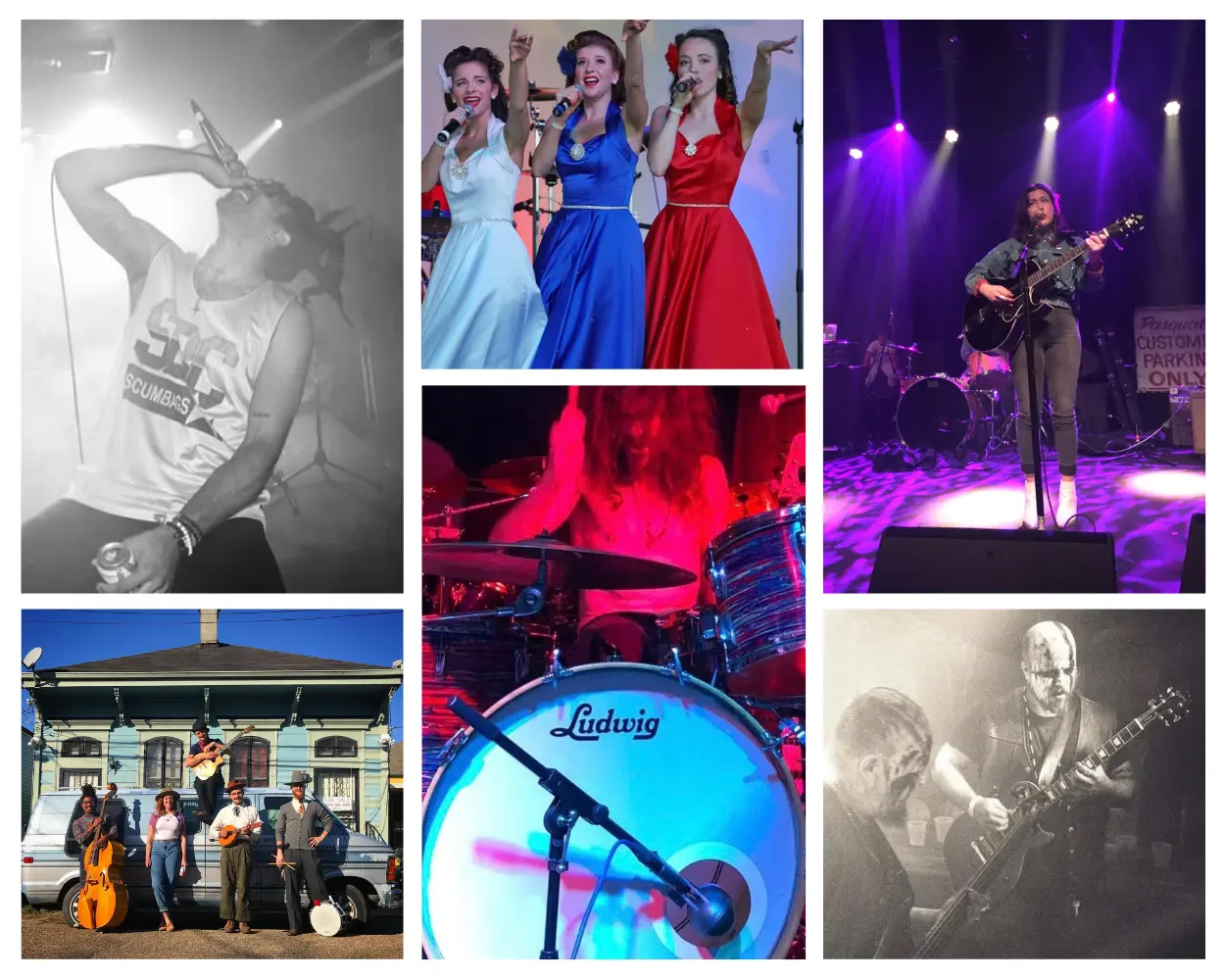
We have visual artists, fiber artists, sculptors, costume and fashion designers, gardeners, jewelry artists, vintage auto enthusiasts, interior decorators, lighting designers, and a host of other creative practices here, but the largest shared passion by far is music. Nearly ⅓ of our team members (16 people) practice music in some capacity outside of work, including playing in bands, singing in choruses, DJing, producing shows, and even building instruments.
Those numbers are not incidental. It is part of who we are.
Our team brings experience in design, CNC work, woodworking, metalwork, finishing, prop-making, lighting, AV, and installation. But our real strength is the human element: people with creative instincts, practical skills, and pride in making something meaningful together. The mantra that kicked this whole thing off was “Good People, doing Good Work, creating Excellent Experiences.” It’s not just a tagline. It’s our internal goal. We want to be our best selves and make really cool stuff that makes life better for everyone around us—ourselves included.
And I’ve been so fortunate to see this all come to fruition over the last seven years. We have worked in over 20 U.S. states and Canada now, with much of it celebrating art and culture in some way. From DJ booths and record table installations to museum exhibits, live events, brand activations, and celebrations where sound, place, and storytelling meet, our range is broad. And let me tell you, every time we help create a space for music, that 20-year-old hotshot apprentice in me still gets a thrill. I might not be building the elements anymore, but I’m a lucky guy to be part of this, and I know it.
The Show Must Go On
Last October, New Orleans was recognized by UNESCO as a City of Music, something anyone who has ever lived here (or even just visited) knows to be truer than true. Our city’s music is not contained by a stage. It lives in the streets, neighborhoods, clubs, parades, kitchens, front porches, and memories of the people who call this place home.
Then in June of this year, a new study from Tulane University warned that we have reached a point of no return, with rising sea levels taking over the city in the next 20 years. Our VP of Communications, Anna Harris, wrote a blog post about this (Come for the Culture, Leave Invested: Could Immersive Storytelling Help Us Create An Unsinkable City?), so I won’t spend time here reiterating her points, but the bottom line is that as long as there’s hope (and action, let’s be clear) there’s a chance. We believe in this place, but we can’t carry on doing business as usual. We have to make the right choices NOW.
As we look toward the future, I believe we have one chance to get it right. We need people who are invested in New Orleans—people with artistic backgrounds, storytelling knowledge, building know-how, and a willingness to collaborate.
We need to protect what makes this city irreplaceable while creating real opportunities for the people who carry its culture forward. The good news is that there are some absolutely groundbreaking cultural projects on the horizon in Downtown New Orleans right now, and if we all pitch in, we’ll have the chance to save our home in more ways than one.

One Simple Thing
Being a young performer gave me the confidence and tools to dream big and take on challenges that once felt out of reach. Theater production showed me that no meaningful experience happens because of one person alone. It takes people with different skills, perspectives, and a shared commitment to making something special—often long before the audience ever sees the finished work.
I carry those lessons with me every day at Downtown FabWorks. I am humbled to lead an organization full of people who bring their creativity, craftsmanship, and care to work for one another and for this city we love. It still blows my mind that my life today grew out of one simple impulse: I wanted to sing. It never would have occurred to me back then that making some noise would have an entirely new connotation to me as an adult.
Because now I'm seeing things a whole different way. People might think we "just" build physical spaces and experiences, but what we are really building is connection: between people, stories, art, and—I hope—the bright future of New Orleans.




Ryan McDonald

Jordan Schwartz

Paul Utterback

Mike Cassesi

Scott Beelman

Irina Gusin

Kristen Kain
who we
Work with