

For years, immersive experiences competed with the smartphone...and sometimes even relied on it. QR codes, companion apps, social sharing prompts—the phone wasn’t just allowed in the experience; it was often central to it.
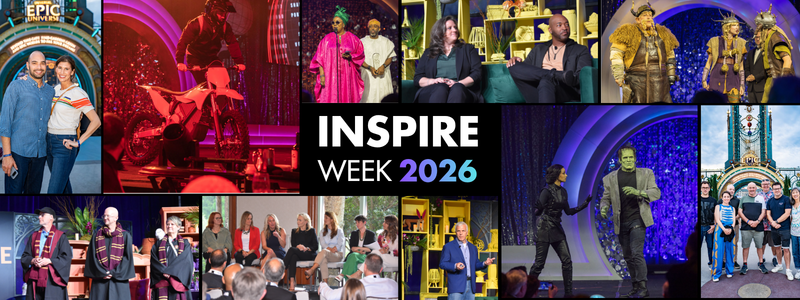
At this year’s TEA INSPIRE conference, however, a different pattern emerged. The most celebrated projects weren’t asking guests to pull out their phones. They were designing environments compelling enough that guests forgot they had them.
From richly layered queue experiences to cultural centers strongly tethered to community identity, the work that won awards in themed entertainment this year pointed toward a new era of experiential design—one defined by seamless immersion, shared participation, and technology that disappears into the story.
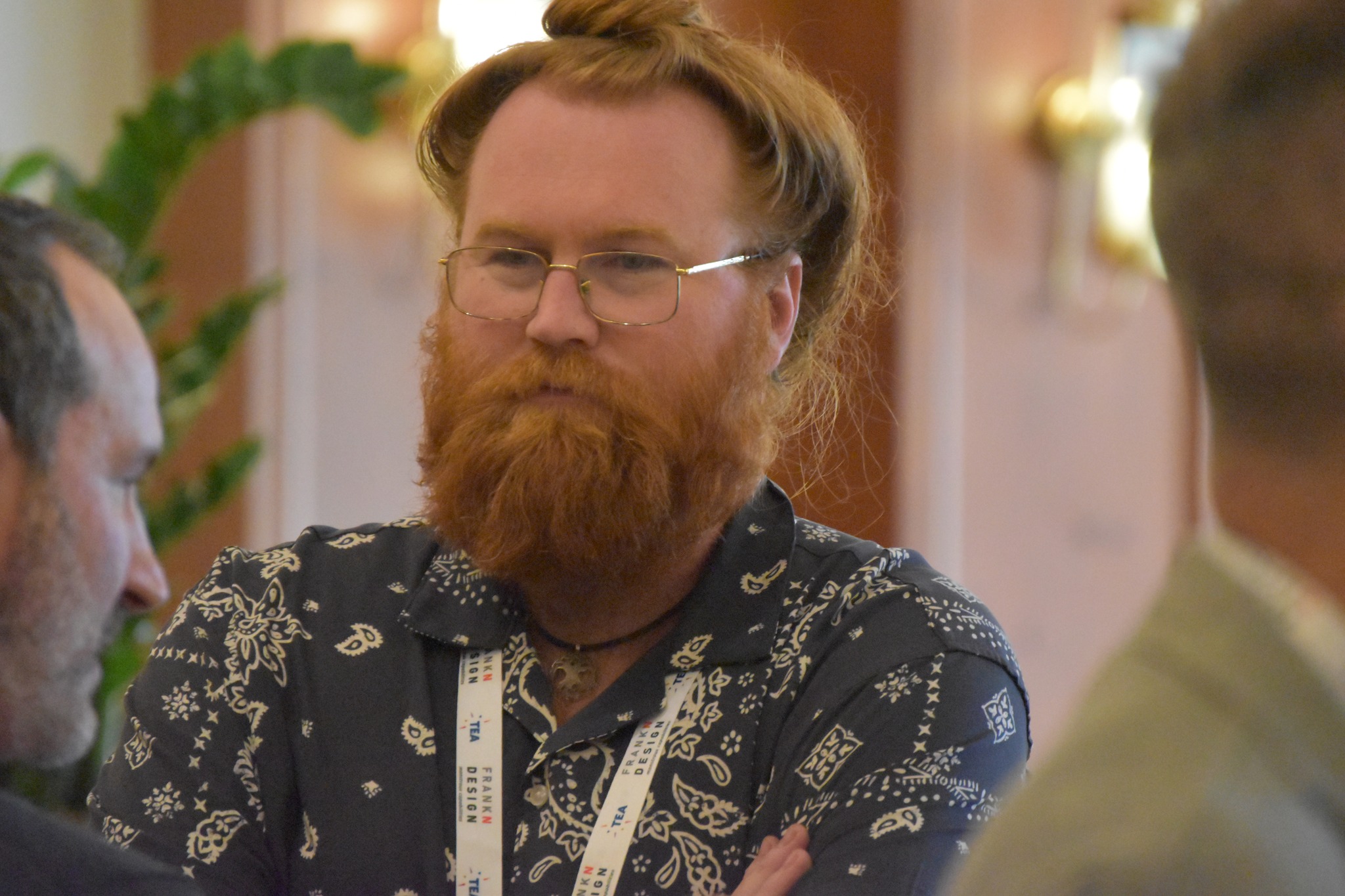
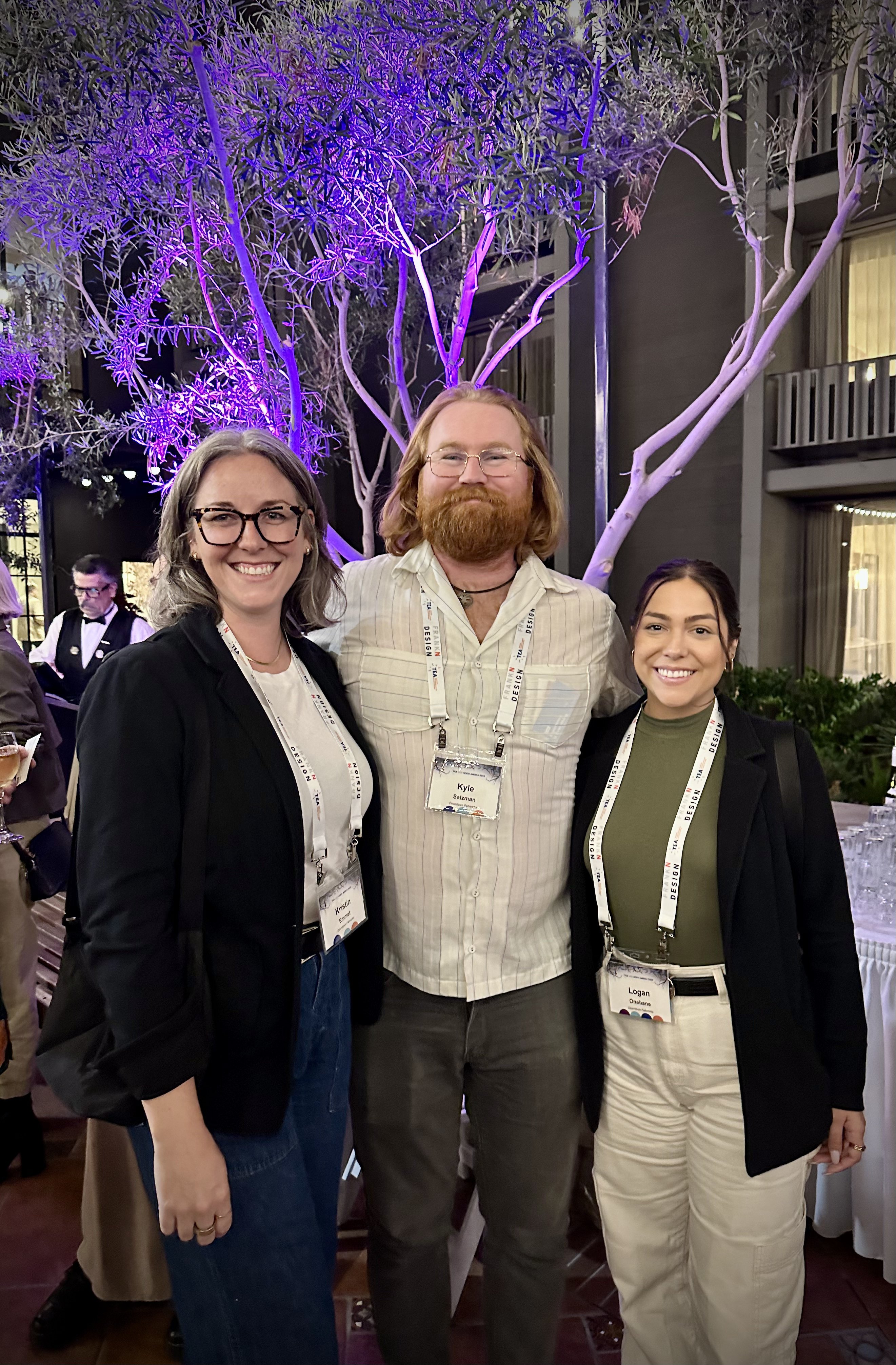
We sat down with our VP of Operations, Kyle Salzman, to talk about what stood out to him at TEA INSPIRE—and what these evolving trends mean from the perspective of someone responsible for turning ambitious concepts into built realities.
Q: What was the biggest idea or trend that stood out to you at this year’s conference, from the standpoint of someone responsible for building these environments?
A: One of the big takeaways for me this year was the focus on seamless immersion into the secondary world of the project, as well as the focus on shared experience. Most of the projects that were celebrated were meant to be experienced by multiple people at the same time, and furthermore, for each guest’s experience to be enhanced by the other guests rather than guests competing for a limited amount of experiential “juice."
For example, The Bob Marley Hope Road live show in Las Vegas used a pulsed entry system and three rotating casts to bring the guests into the dance hall experience. They could have achieved the same audience throughput with a traditional proscenium-style show and fixed seating, but instead, guests danced with the cast, sang along to the classics, and navigated through richly themed environments.
"Guests want to spend time in a world where they can forget that their phones exist."
Q: Several award-winning projects seemed to avoid phone-based interaction altogether. Why do you think the industry is moving in that direction? What role does the physical environment play in creating experiences that pull people away from their screens?
A: This speaks to a broader cultural moment of phone and social media fatigue. Many people now find that constant engagement with their phones and social media is a drag on their overall level of satisfaction, yet we find it almost impossible to put them away. In contrast to the selfie museum era of a few years ago when phones and social media were seen as an important mediator and even facilitation tool for the experiential world, we now seem to have entered an era of ‘heightened reality’ in the experiential world. All the technology and craft that has been built up over the years in the themed entertainment industry is now being deployed to create experiences that are sufficiently rich and detailed to compete with guest attention against the smartphone. It's becoming clear now that guests want to spend time in a world where they can forget that their phones exist.
Q: A lot of the projects you mentioned relied on technology that felt almost invisible. What does “good technology” look like in an immersive environment? From a fabrication standpoint, what does it take to integrate tech without breaking the illusion?
A: It was clear from the presentations that guests were ok with highly advanced technical experiences, as long as those experiences were part of the creative design and not afterthoughts. There’s a concept called the uncanny valley that used to describe people’s reactions to representations of human faces. People respond positively to clear abstractions (stick figures, cartoons, cute drawings) and the real thing (or perfect simulations) but are extremely uncomfortable with poor knockoffs (androids with jerky movements, no microexpressions, etc.). What was clear this year was that technology integration in experiences has crossed its own uncanny valley, both because the technology itself has improved and because experience designers have become more sophisticated and comfortable working with those tools.
Q: One award-winner that stood out to you was the J. Randle Centre for Yorùbá Culture & History in Lagos, Nigeria. What made that project resonate?
A: Many things were very exciting about this project. First off, the scope and ambition of the endeavour were amazing. There has been much discussion over the last few years about the continuing impact of colonial occupation on the telling of African history. Without even seeing this museum in person, what really shines through is how deeply its creators care about telling the story, and how authentically that is expressed in the physical space it occupies. The team on this project really contested colonial narrative structures, from the way they displayed the artifacts (out in the open rather than locked away in glass cases) to the types of community-building and heritage celebration programming they engaged in.
"Well-placed, intentional tech will create unique, engaging experiences that people won't want to 'escape' from."
Q: From a fabrication standpoint, what do these trends mean for the people who actually build immersive environments? Will technology still need to play a role despite the “phone and social media fatigue” you mentioned earlier?
A: Technical integration will continue to be a growing part of exhibit design, and firms that previously focused only on static theming will need to increase their sophistication not only in traditional fields like AV, but also in edge computing, guest sensing, and automation. Whether through partnerships or self-perform, digital capabilities will be a growing component of every future build. Well-placed, intentional tech will create unique, engaging experiences that people won’t want to “escape” from, keeping cell phones in pockets and people engaged in the stories we strive to tell.
____________________________________________________________________________________________
Want to talk immersive environments with us? We can't wait to see what you're dreaming up. Let's start building today!



Ryan McDonald

Jordan Schwartz

Paul Utterback

Mike Cassesi

Scott Beelman

Irina Gusin

Kristen Kain
who we
Work with