

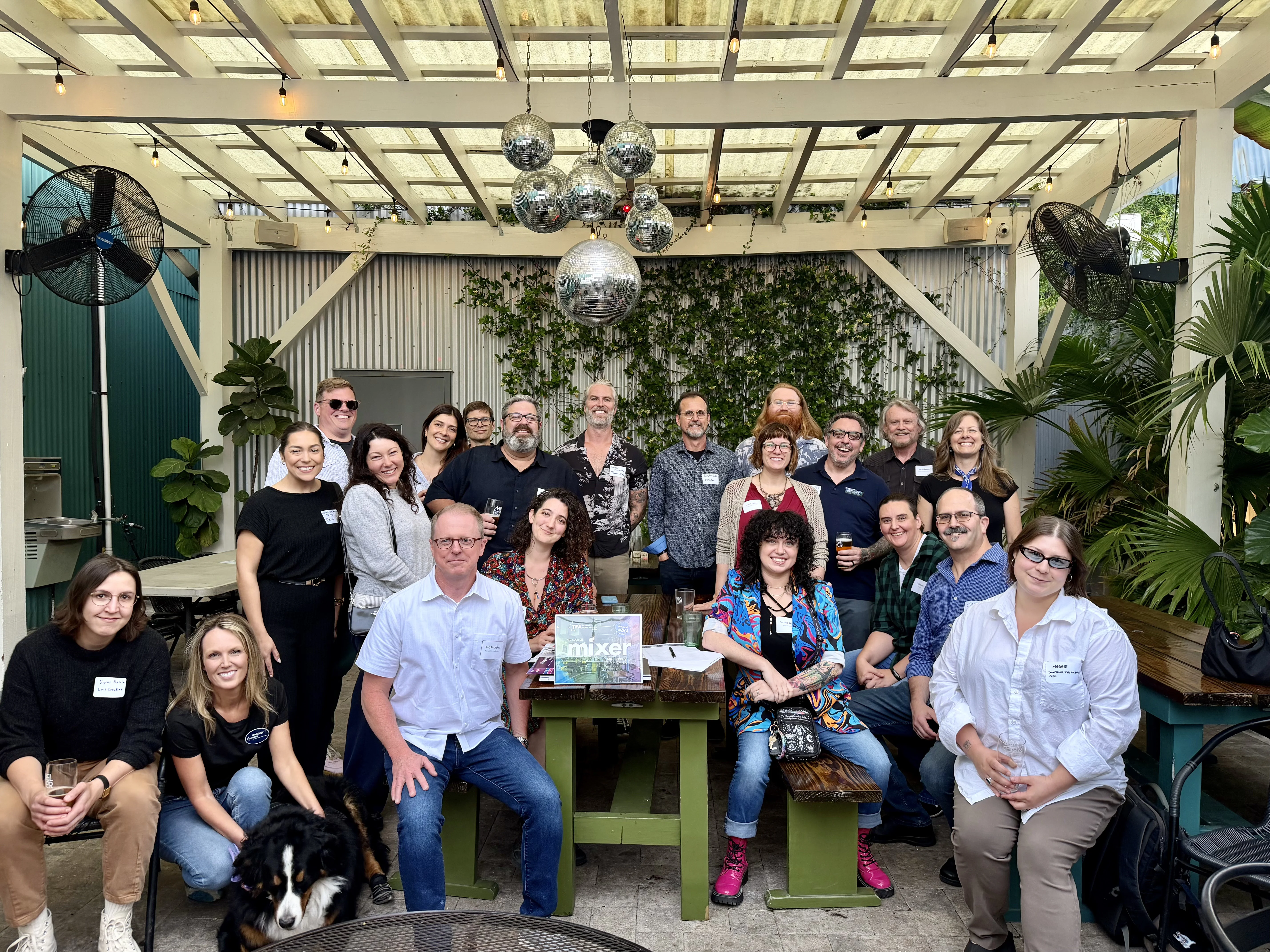
On Tuesday evening, I attended a (truly excellent) industry mixer for the Themed Entertainment Association in New Orleans. Around 20 of us mingled at the back of a local brewery, sipping craft beers and chatting about our companies’ latest endeavors. This was the first of hopefully many TEA Mixers in NOLA, and folks were excitedly taking advantage of this chance to meet other locals who geek out about themed environments. As conversation flowed, my ears perked up as I heard one of my favorite questions posed in the group chatting behind me: “How does your company explain to potential clients what ‘experiential’ means?”
Here’s the deal - I love that question. The answer can really be as simple or as involved as you (and your client) have the patience for. After all, theory and practice of experiential design and fabrication are studied on college campuses around the world. People get PhDs in experience design - and the field is constantly evolving. Lifelong experts can study for years without knowing it all, so don’t feel too bad about not being able to tell the whole story in a sentence or less. It’s a HUGE concept that can be approached from so many directions!
That being said, the most basic building block of “experiential” is - you guessed it - “experience.” An experiential designer’s job is to understand the intended emotional, psychological, and physical impact of a space and create a design that guides the viewer/guest into having that experience. But design is just the beginning. After all, the thing has to get built before it can make an impact. Our job as experiential fabricators, at the very base level, is to build that physical space in the real world.
People in our industry often say that fabricators build spaces that tell a story or bring dreams to life. These are flowery ways of saying that designers come to us with an amazing idea, and we help them identify and surmount practical limitations. It’s our job to get the real-life build to be as close as possible to the concept, no matter how ambitious. Sometimes the design is so well-planned that fabrication is a piece of cake, no changes required. Sometimes it means trying a different material or methodology. Other times it might mean working together to redesign an element, whether that means simplifying or suggesting exciting upgrades.
No matter what, our process always starts with a conversation about the design intent, because understanding the audience is key to understanding the build. Since Downtown FabWorks operates at the intersection of scenic fabrication (which is temporary) and architectural fabrication (which is permanent or semi-permanent), our sales team has their job cut out for them.
During the discovery phase, we like to get a firm understanding of not just what our clients are looking for and how they see their project, but also to discover if there are items that they might not have considered yet. Since we aren’t successful unless you are, it’s very important that we get a firm understanding of the intended experience inside this experiential build from the very outset of the project.
Here are five of the most important questions our team asks to get a handle on how to best serve your needs:
1. Who Is The Audience?
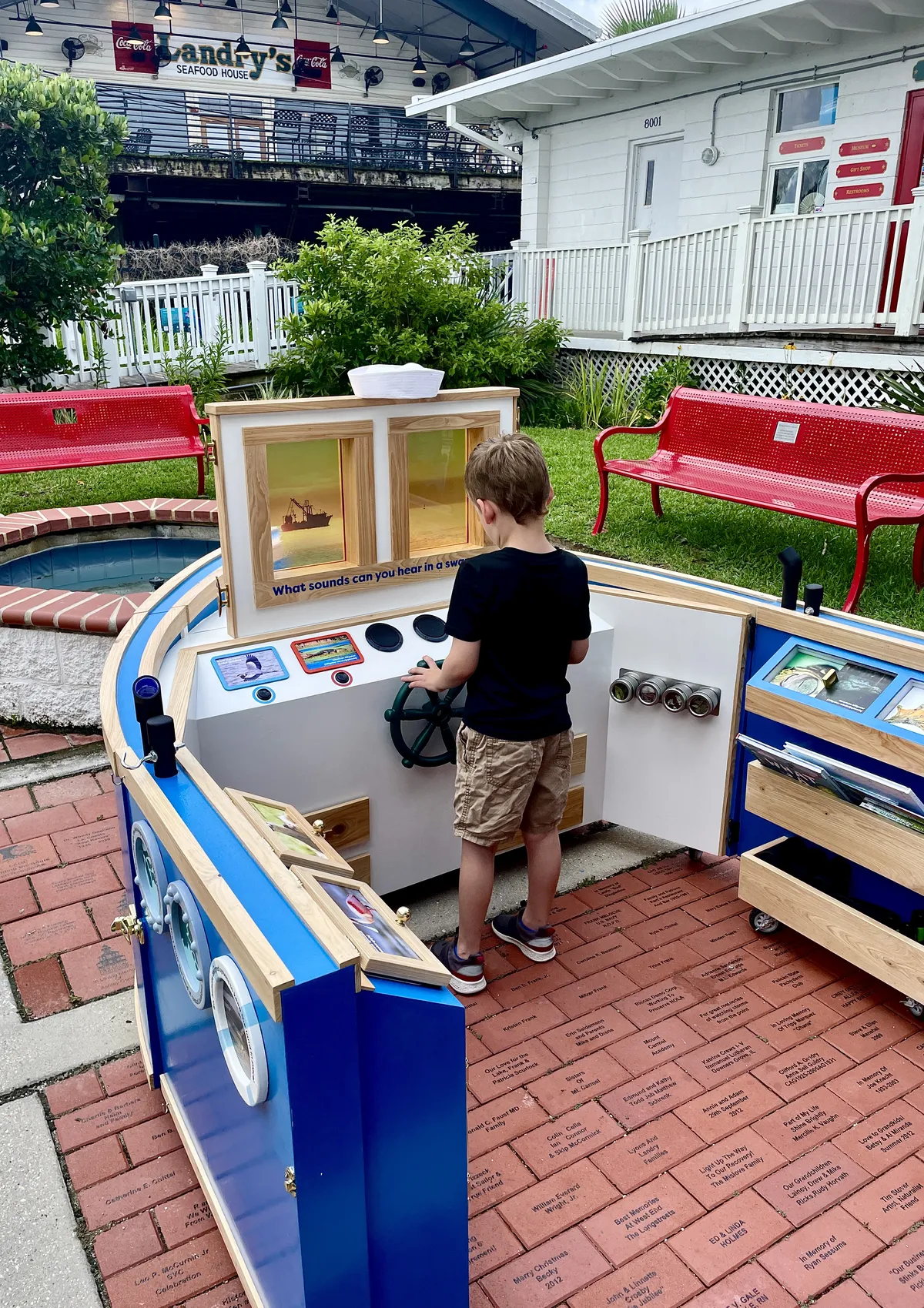
What’s the demographic and psychographic of the people who will be visiting? A group of elementary school kids at a museum in Dubuque will have drastically different needs than a group of Millennial and Gen Z tech conference attendees in NYC. Likewise, the same tech conference attendees in a different environment (say, at Coachella) are going to be seeking a different experience as concert-goers. Believe it or not, these details can affect the materials and build methodology just as much as the content.

2. What Should The Audience Take Away From This Experience?
For instance, while a brand activation might be looking to build brand awareness and/or increase sales of a new product line, the intent of a museum exhibit or public art installation could be to teach viewers about a subject and/or inspire them to create change in their community post-event. The intentionality of the space translates to the observer through their senses, making spatial constraints, material choices, and placement of integrated lighting and AV highly pertinent. These are all things that a good fabricator can help you hone in on.
3. Where Is The Project?
What geographical area is this serving? Will it be indoors or outdoors? What are the weather conditions? For permanent and traveling exhibits with artifacts and other objects involved, what are the conservation considerations? For immersive exhibits with lots of tech and AV, does the location or surrounding event introduce additional concerns for safety or feasibility? And no matter what, logistics and installation costs will always be affected by the project location.
4. When Is It Opening?
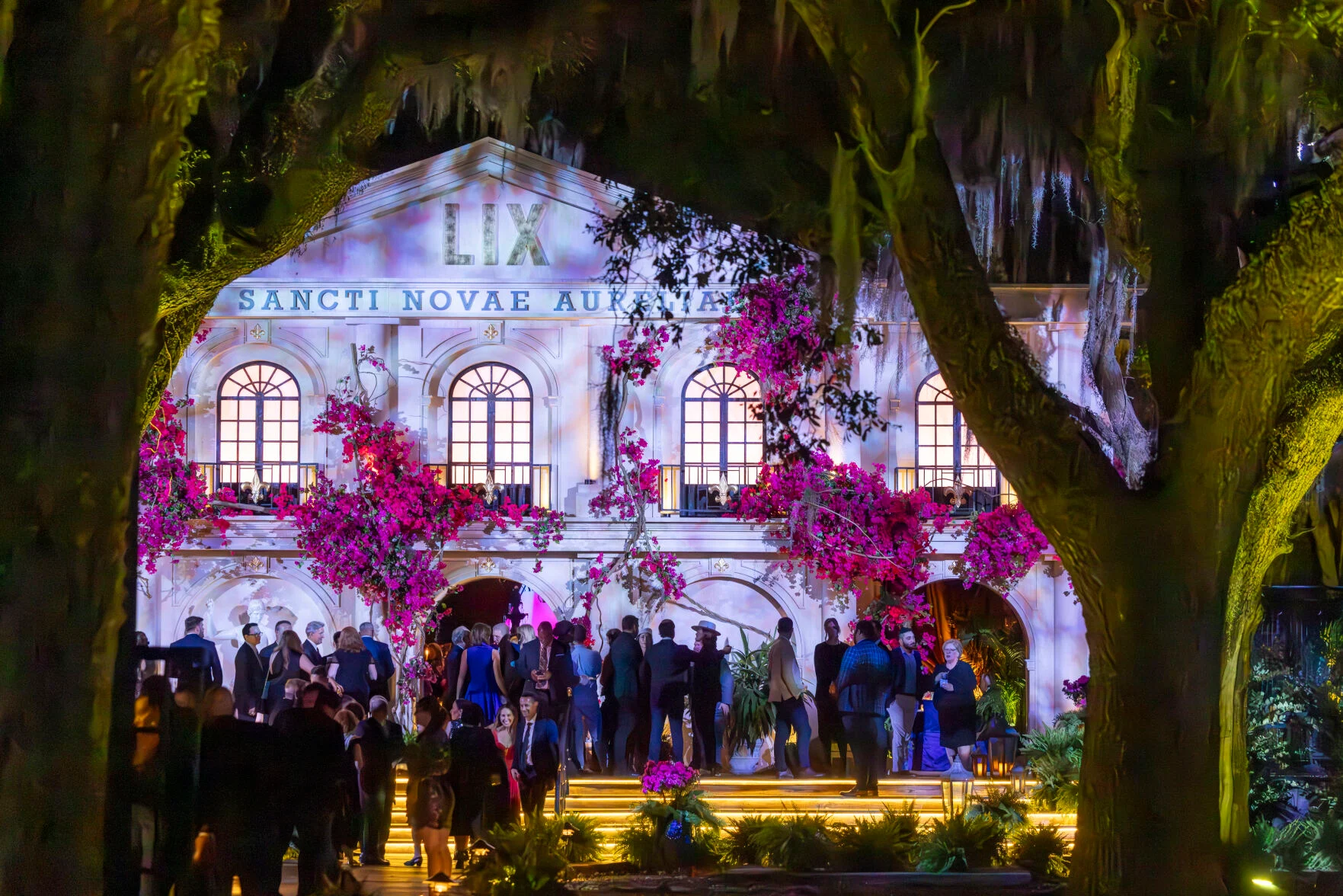
Season and time of day obviously make a difference, but timeline for fabrication and install is always crucial. Brand activations, in particular, tend to require a very quick turnaround. Unfortunately, the global supply chain can be quite coldhearted about when your show has to go live. It’s important for your fabricator to get an idea of all needs in order to assess whether fabrication methodology and/or materials might need to change to accommodate your timeline and budget.
5. How Should The Audience Feel?
Curious. Intrigued. Joyful. Transported. Inspired. Excited. Uplifted. Thoughtful. Pensive. Righteously Angry. There’s no wrong answer. Every experiential design has a purpose: to craft an experience, to make people FEEL something, and to hopefully change their lives in some way. Done correctly, the fabrication of an immersive experience blends so seamlessly into the experience design that the audience member sees them as one and the same. They leave the experience changed in some way, with their perception of a brand, concept, or issue forever altered by what they encountered.
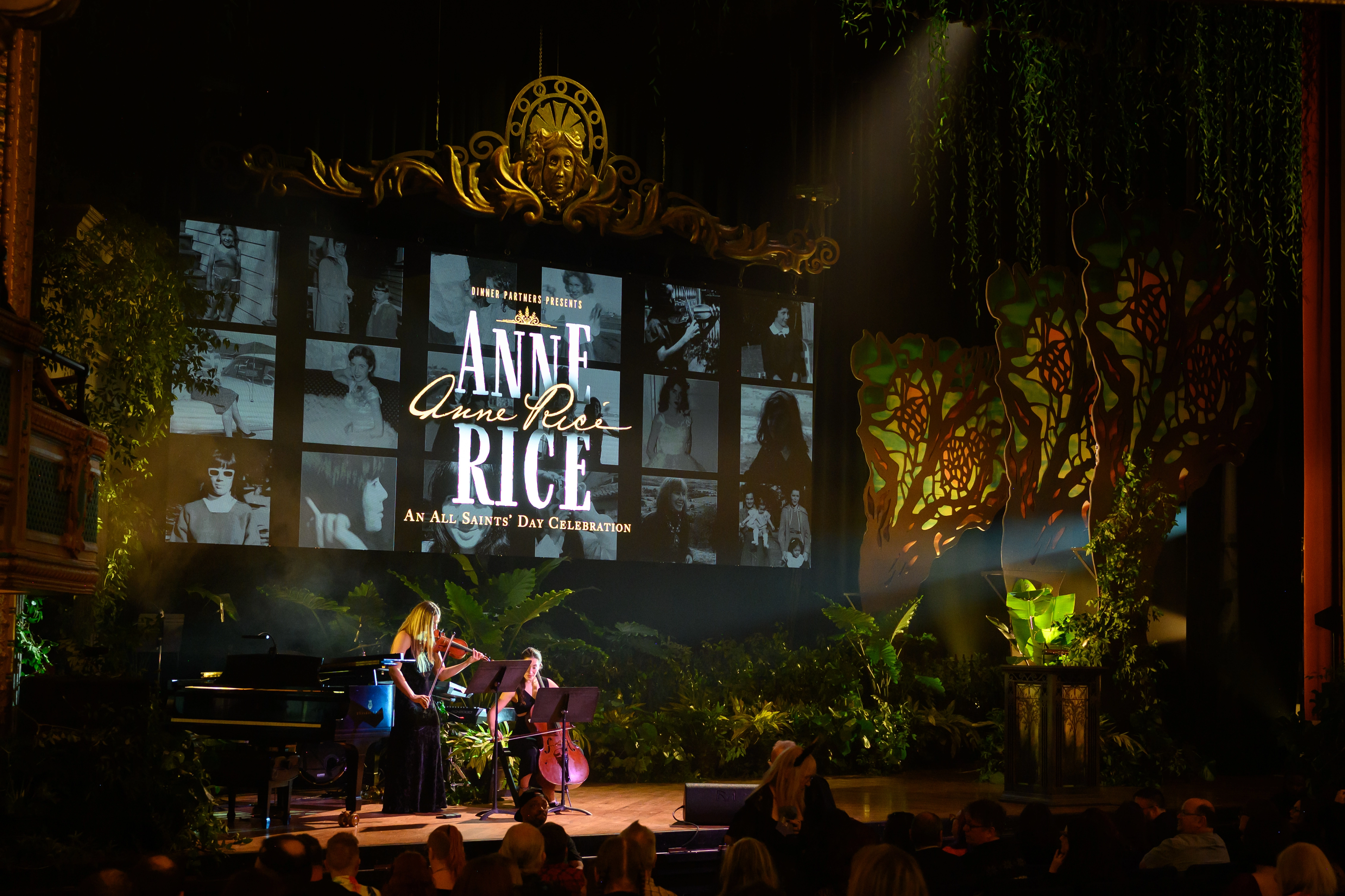
Of course, this is only the tip of the iceberg. Custom fabrication, by definition, means that the designs themselves are also one of a kind. Every project will have its quirks, and by extension, its perfect questions. But this is a good start for getting to the bottom of a build that's just as unique as the audience is.
As far as I’m concerned, the very best thing about working in this industry is that there is no limit. If an imagination can concoct it, as long as it can be supported by the laws of physics, a great fabrication team can figure out how to build it. And in a world where the answer is too often “no,” being able to say “yeah, why not, let’s try it!” makes every day an adventure.
____________________________
Have a great idea that is just begging to be seen IRL? Let us help you with the practicalities. Contact us today to discuss your experiential design with our expert custom fabrication team.




Ryan McDonald

Jordan Schwartz

Paul Utterback

Mike Cassesi

Scott Beelman

Irina Gusin

Kristen Kain
who we
Work with