


A great music festival is more than a collection of performances. For a few days, a park, venue, or city block becomes its own world, filled with landmarks, gathering places, and unexpected moments.
Few cities understand that transformation better than New Orleans. Mardi Gras takes over entire neighborhoods, French Quarter Fest turns historic streets into stages, and Jazz Fest ranks among the country’s most-attended music festivals. ESSENCE Festival fills downtown, the Super Bowl regularly returns, and even Tales of the Cocktail spills into venues across the city. New Orleans doesn’t simply host major events. It's a themed destination in its own right.
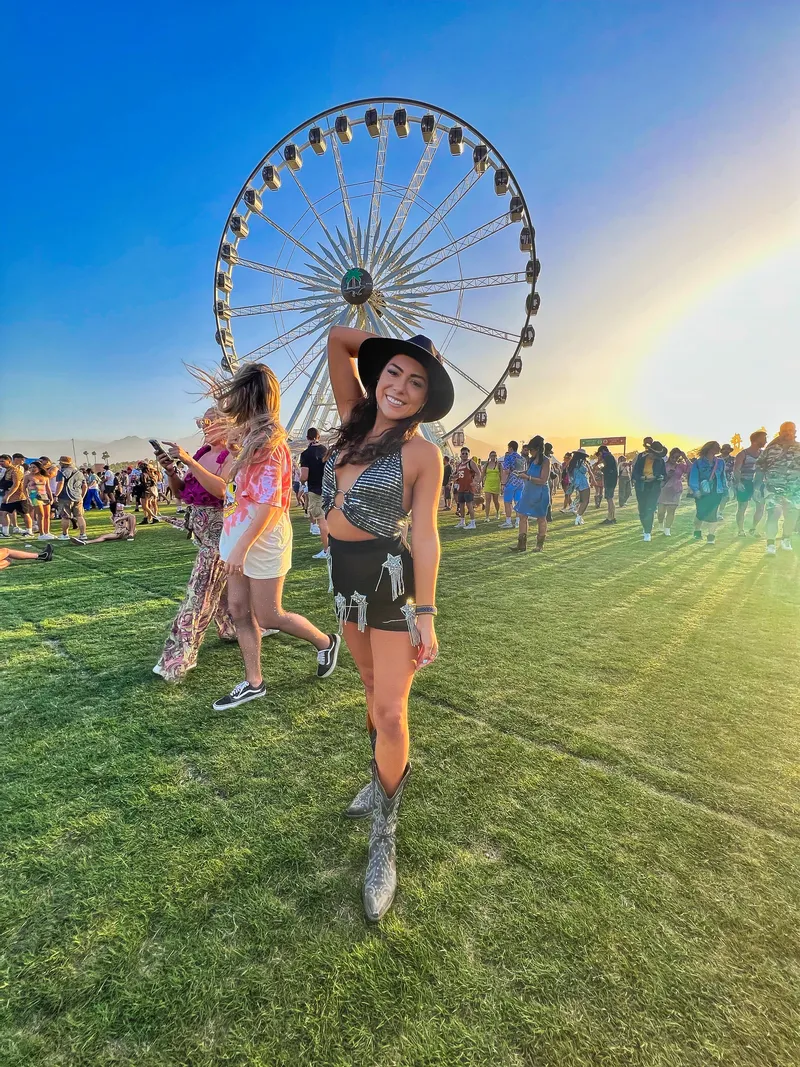
Not surprisingly to those in the industry, creating that sense of place takes more than a great lineup. The built environment–stages, lounges, installations, and brand activations–helps shape how an event feels. When thoughtfully designed, these elements add something valuable to the experience, and can even bring fresh, surprising energy to a festival that longtime attendees think they already know.
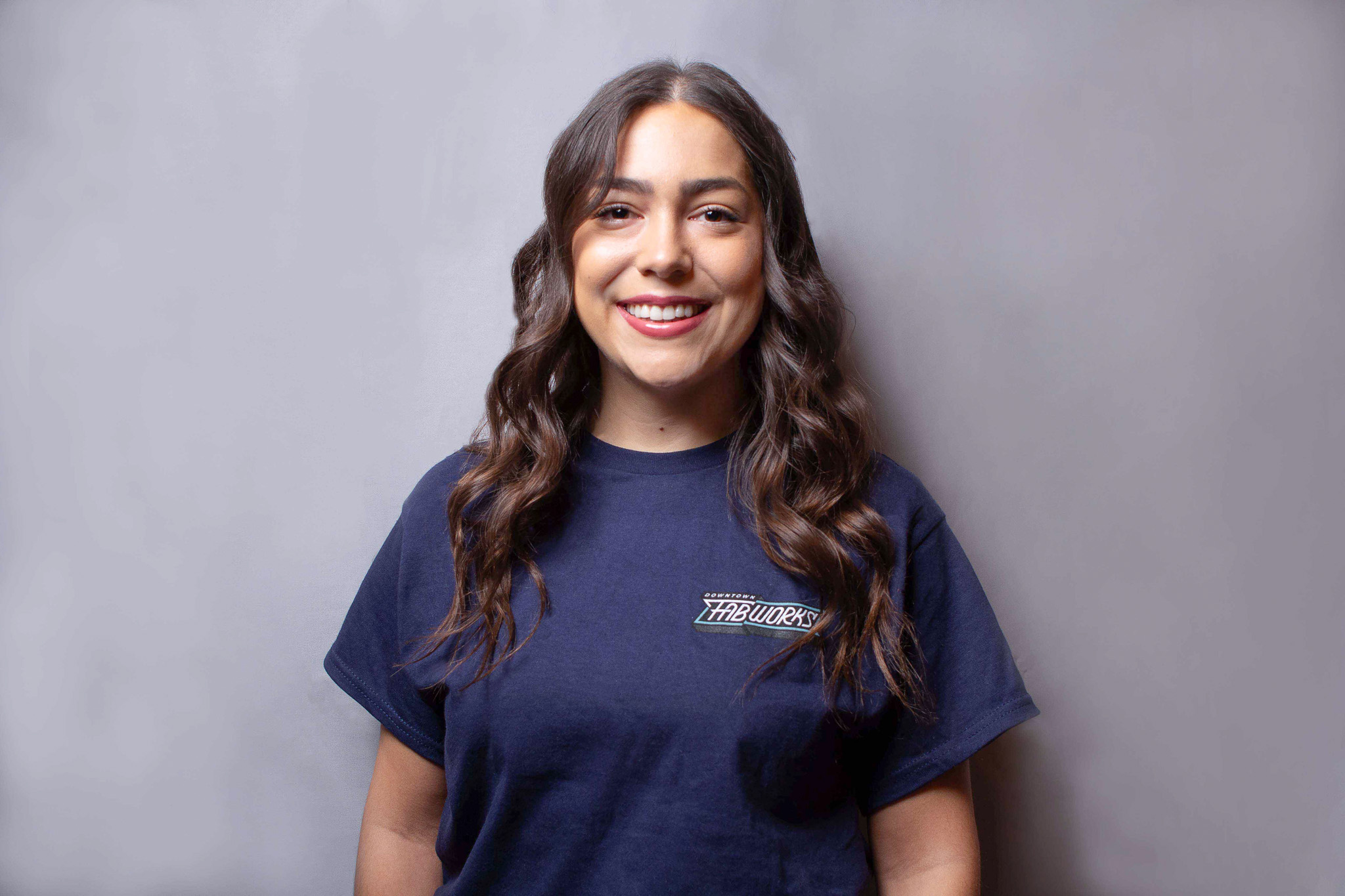
Downtown FabWorks Scenic Sales Manager Logan Onebane understands both sides of the festival experience. A native Louisianan and longtime festivalgoer, she knows what draws people in as an attendee. As a scenic sales expert, she helps clients turn ideas into immersive, buildable environments.
We sat down with Logan to discuss what makes festivals unforgettable, what she loves about the festing scene close to home, how brands can enhance an experience without taking it over, and why thoughtful fabrication ultimately gives music, emotion, and community a place to happen.
Q: Let's start by talking about New Orleans. What makes it a natural home for music and festival-type experiences?
A: Music here isn’t limited to a festival, concert, or venue. It’s part of the city’s identity and daily life. It’s our heartbeat.
I’m constantly going on tangents about how New Orleans doesn’t feel like a real place. There’s a magic to it that comes from the way the city makes you feel, the way we find something to celebrate every day, and the sense that everyone is your neighbor. Music is a huge part of what brings us together.
“New Orleanians create experiences for each other because we genuinely enjoy giving people something unexpected to remember.”
Take Jazz Fest, for example. My favorite part of it isn’t necessarily what happens inside the fairgrounds. It’s everything happening outside: bands play on porches, DJs set up outside bars, and people dance in the streets. Someone unfolds a table and starts bartending. Music comes from every corner, and everyone is invited to enjoy it. You don’t need a ticket, a payment, or even to know who owns the house. You just grab your friends and join in.
This type of thing doesn’t only happen during events like Jazz Fest or Mardi Gras. It’s part of living here. New Orleanians create experiences for each other because we genuinely enjoy giving people something unexpected to remember. That spirit is difficult to replicate elsewhere. In New Orleans, the audience doesn’t simply attend the event. We become it.
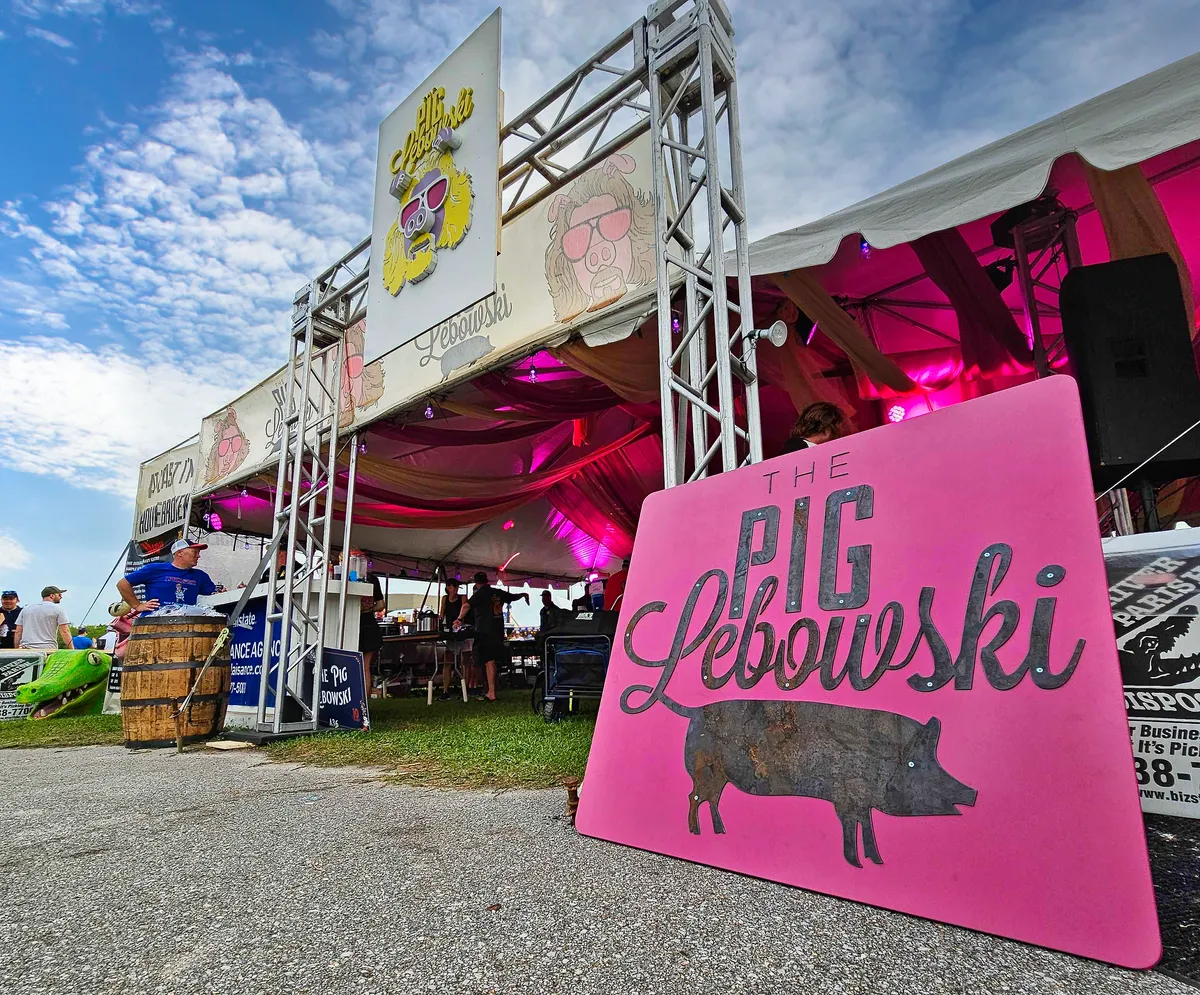
Q: Which festivals feel especially intriguing right now?
A: I'm really excited for what feels like a new chapter for electronic music in New Orleans.
I’ve attended Hell’s Gala since 2017, and it has become something my friends and I anticipate every year. New Orleans is already a Halloween destination, and the guests become just as important to the environment as the music, lighting, and production. People don't hold back when it comes to their costumes. Walking through the crowd can feel like stepping into another world because the energy of the audience and the environment feed off each other.
With Hell’s Gala transitioning into Freaky Deaky this year, I’m curious to see whether it will feel like a full festival transformation or more of a rebrand. Will there be a larger outdoor stage? A new VIP experience? More scenic elements or immersive environments? What will officially signal that guests have entered something new? The unknown is what makes it exciting. As someone who loves both attending these events and helping create experiences like them, I'm eager to get involved!
“I’m really excited for what feels like a new chapter for electronic music in New Orleans.”
It is also so cool that We Belong Here is expanding from Miami into New Orleans at the new six-acre Woldenberg Riverfront Park. Between that and the evolution of Hell’s Gala, it feels like electronic music events may be gaining back momentum here. While Buku and Voodoo are sadly showing no signs of returning, these music festivals will be fresh experiences with big opportunities for local makers, artists and experiential firms like ours.
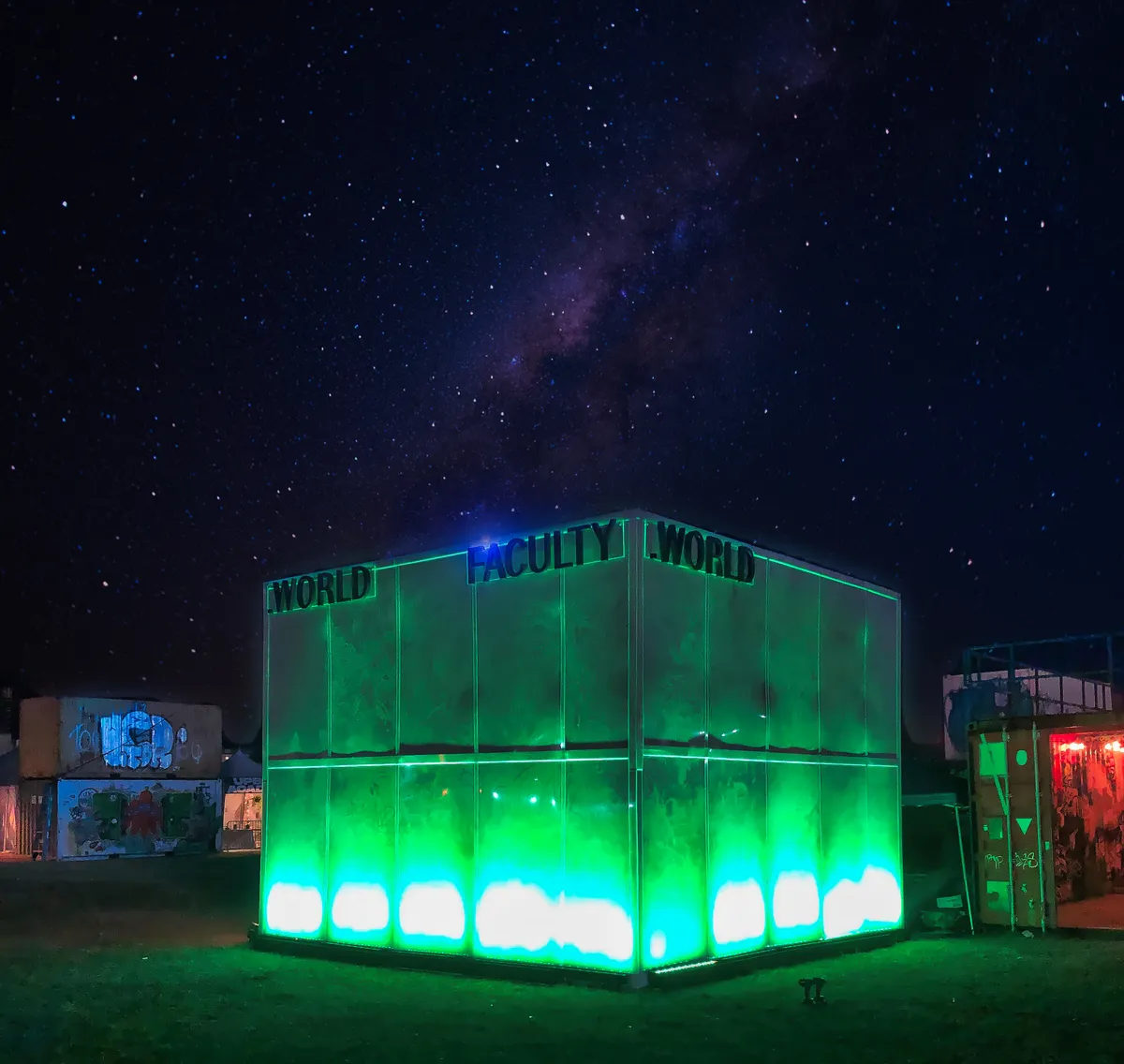
Outside New Orleans, SXSW has been on my radar for a long time, and I plan to attend next year. Its focus isn’t only on a major lineup. It’s a place to discover the next big thing, test ideas, spot emerging trends, learn, and network. I also love that Austin itself becomes the festival grounds just like in New Orleans.
Q: What makes a festival environment memorable beyond the lineup?
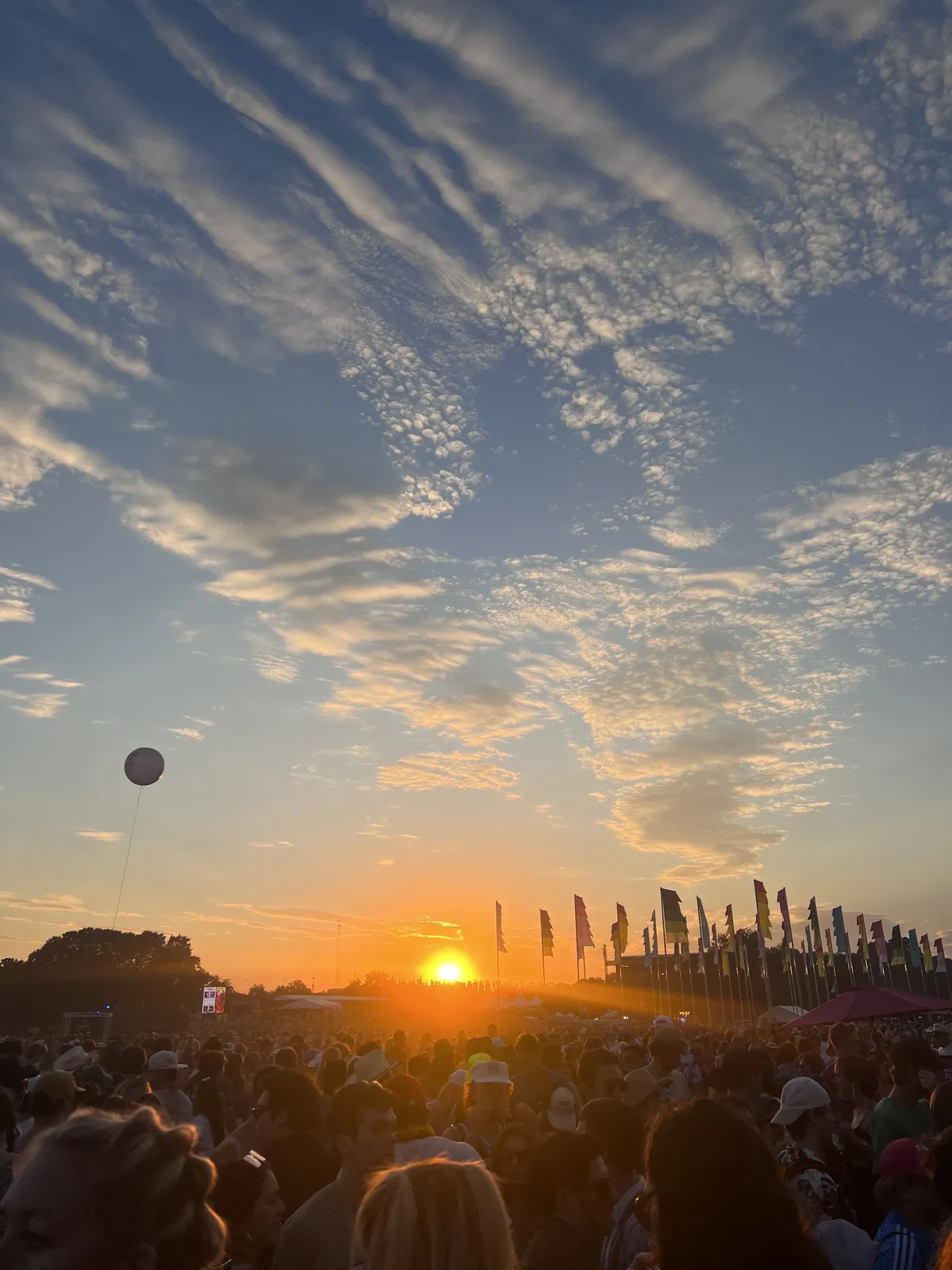
A: I think of festivals as pop-up amusement parks that are only open once a year. Each one has its own personality, aesthetic, audience, and set of unwritten rules. For a few days, you get to play in a completely different world, and then that world is gone again as quickly as it came.
Of course, people arrive with their homemade schedules and lists of artists they want to see. But some of my favorite moments happen when there’s a break in the itinerary and you get to explore. You wander around the grounds and see what catches your eye. Maybe it’s a brand you haven’t encountered before, a lounge where you decide to stay awhile, an impromptu photo opportunity, or the ice-cold lemonade you couldn’t pass up.
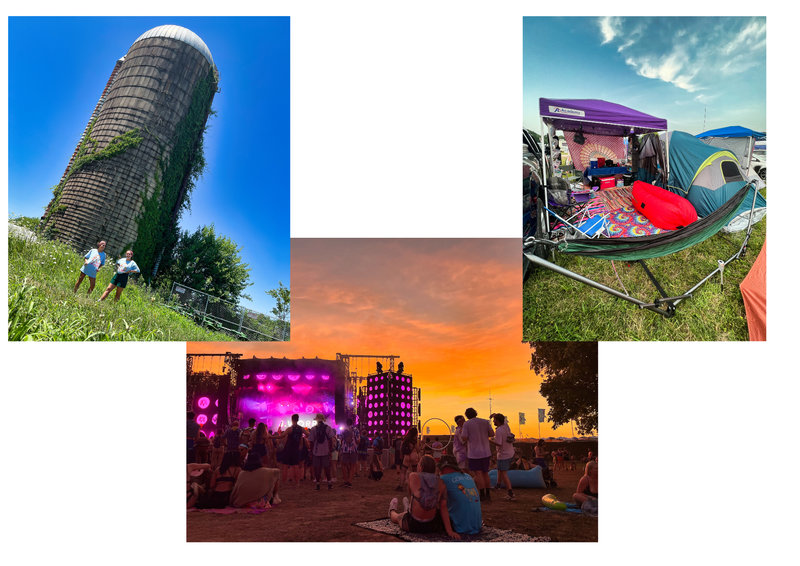
People don’t remember standing in line for a drink between sets. They remember the hidden activation they stumbled upon, the giant installation everyone photographed, or the comfortable lounge that became their group’s meeting place.
Those discoveries give the event texture. They create experiences and opportunities to "play" between the performances, which helps the environment feel like more than a series of stages.
“I think of festivals as pop-up amusement parks that are only open once a year.”
I noticed that difference while attending Austin City Limits, Bonnaroo, and Coachella. ACL felt like spending a family-friendly weekend in the park with incredible music. Bonnaroo felt carefree and rooted in community and discovery (it is affectionately called "The Farm"). Coachella felt like walking through a television or movie set, with an entirely different level of spectacle, production, and content creation.
None of those approaches is inherently better. They work because they are tailored to the event and its audience. The physical, built environment reinforces the experience each festival wants to create.
Q: What does a successful festival activation look like in practice?
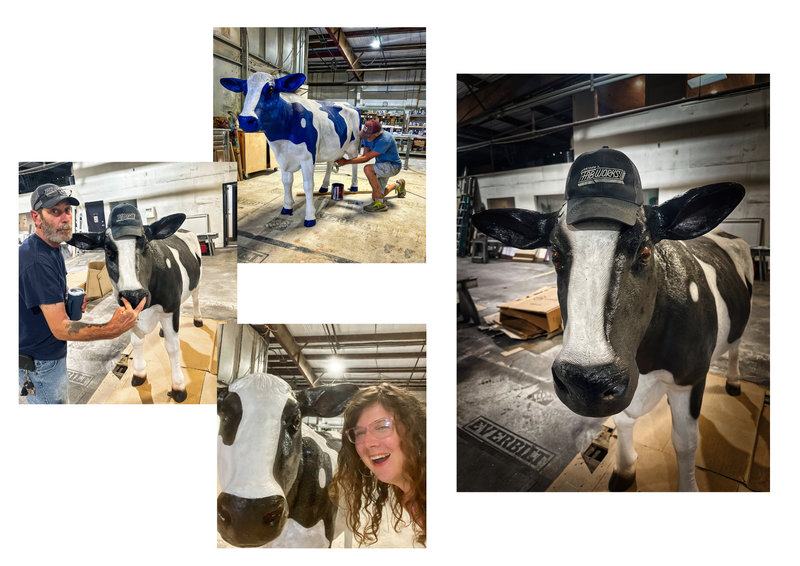
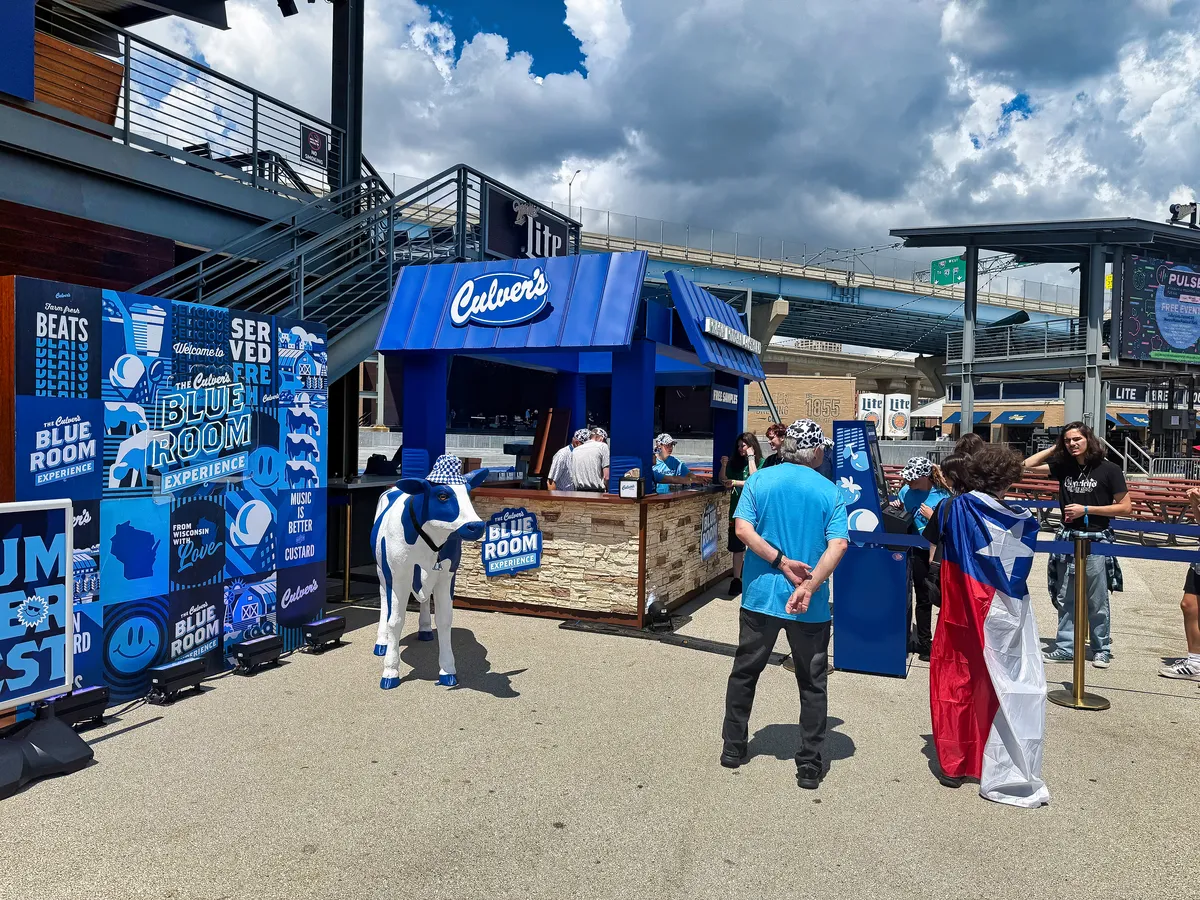
A: One of my favorite examples is the Culver’s Blue Room Experience we helped build at Velocity Festival last summer. The location alone set a unique vibe because it took place at the iconic Field of Dreams. Designs paired an inflatable barn with custom scenic elements in a way that felt distinctly Culver’s without becoming overly literal.
What ultimately made this activation successful was the variety of experiences within it. Guests could grab frozen custard, relax in a seating area, play cornhole, take photos with Cheddar the Cow, or put their signature on Cheddar as part of the activation . A live band brought energy to the space, while another area introduced visitors to the charity efforts of the Culver’s Thank You Farmers Project.
While Culver’s could have easily set up a simple custard booth, they went the extra mile to give their space a personality that would connect with people. It ended up being its own little destination within the festival, with multiple ways for attendees to feel welcome and stay awhile.
I also really liked this build’s versatility. After Velocity Festival, many of the elements were repurposed for an Oktoberfest activation. The structure remained recognizable, but it was adapted for a completely different second event. This was an excellent example of scenic design that kept longevity and the environment in mind. Added bonus: this reusability approach also maximized our client's investment.
We’re partnering with Culver’s and GMR Marketing again this year on pop-ups at three different music festivals: Summerfest (Milwaukee), Minnesota Country Club Fest (St. Paul), and Arts Beats & Eats (Detroit). Each one has unique components tailored to its particular event, but they are all unmistakably Culver’s. Again this year, the built elements are designed to travel well, and to make installation and teardown efficient.
“The best [festival] activations don’t feel like advertisements. They should feel like they belong.”
Something else stands out in these spaces we are helping design and build for Culver's. The branding is obviously still visible, but people engage because the brand experience adds something valuable, meaningful, and memorable to their day.
The bottom line here is this: the best activations don’t feel like advertisements. They should feel like they belong. Brands can receive enormous visibility in this setting, but the festival doesn’t have to feel like a trade show. A sponsorship or activation should support the festival experience rather than compete with it.
Q: When should a client fabricate something custom instead of renting?
A: I prefer to be transparent about this from the beginning. There are times when an off-the-shelf rental is perfectly appropriate. If an item doesn’t need to be customized and won’t affect the overall experience, there may be no reason to fabricate it.
But the first step is always identifying the client’s “hero moments.” What elements really need to stand out? What will attract guests, communicate the brand identity, or define the space? Once we understand those priorities and the budget, we can direct fabrication dollars toward the high-impact elements, then rent supporting pieces if necessary.
When custom fabrication is integrated into a plan, it allows us to create something specifically for the brand, the festival, and their audience, which leads to a more authentic experience than if we just placed a logo on a generic structure.
Custom-built pieces can also create longer-term value. A well-designed element might travel to multiple events, adapt to different footprints, or return year after year. In some cases, it can even become part of the festival’s identity.
Coachella’s SPECTRA is a great example of this. The colorful tower made its debut as an observation deck and cool-down spot in 2018, then became both a permanent fixture and an iconic photo location. When someone posts a picture in front of it, you immediately know where they are. And while it is more art installation than branded build, the piece has assumed a life of its own. It isn’t simply a structure sitting on the festival grounds anymore–it’s a functional hub of Coachella’s identity.
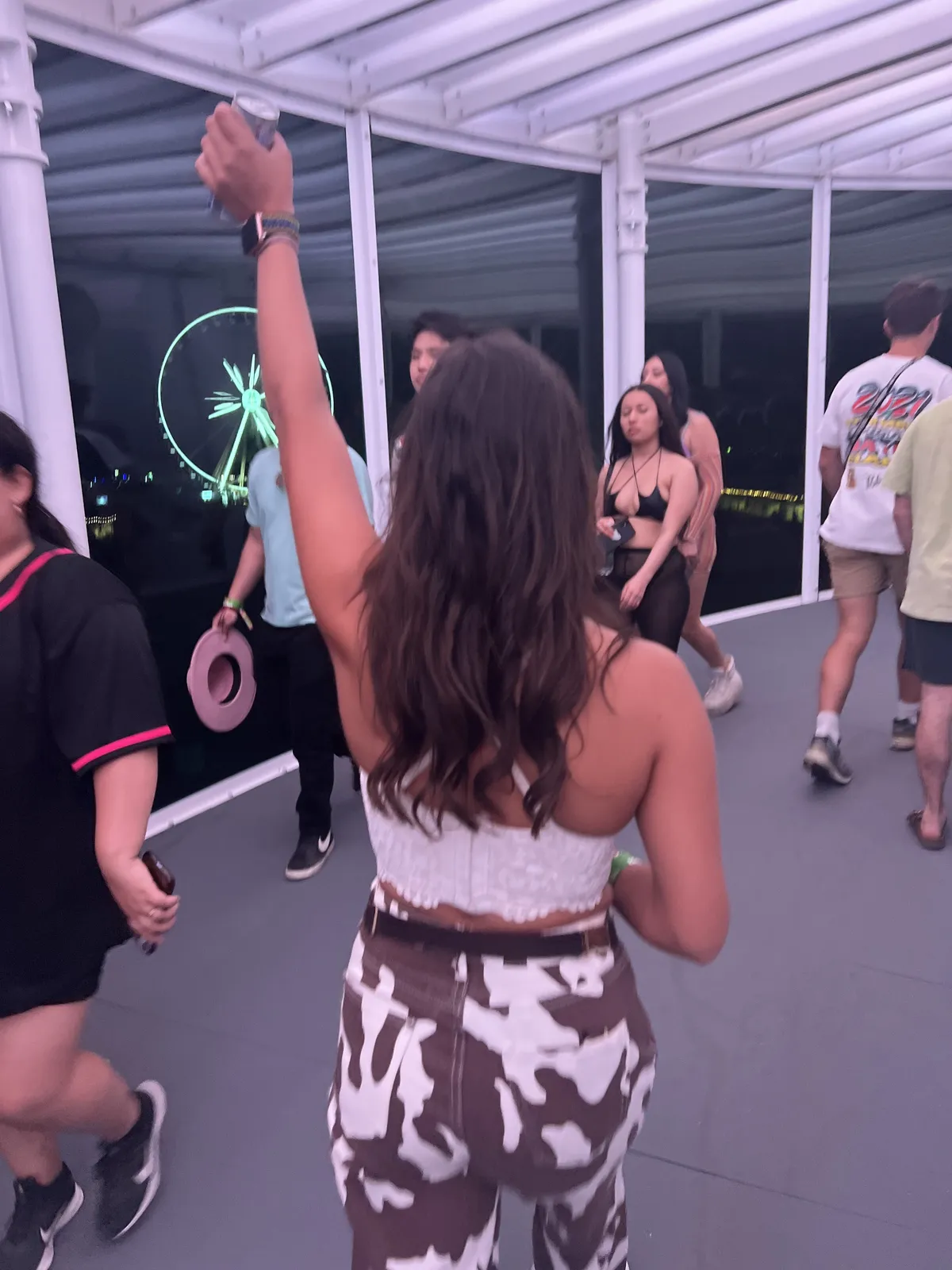
That is the potential of thoughtful fabrication. An exceptional, functional build can give a brand its own recognizable place within a festival, introduce something fresh into an established event, and even create a landmark people genuinely want to return to.
Musical performances may be what draws people through festival gates, but the world created around them shapes how the entire experience feels and is remembered.
__________________________________________________
Music creates the memories. Fabrication creates the places where those memories happen. Give us a shout today to plan your brand’s next festival activation.


Ryan McDonald

Jordan Schwartz

Paul Utterback

Mike Cassesi

Scott Beelman

Irina Gusin

Kristen Kain
who we
Work with